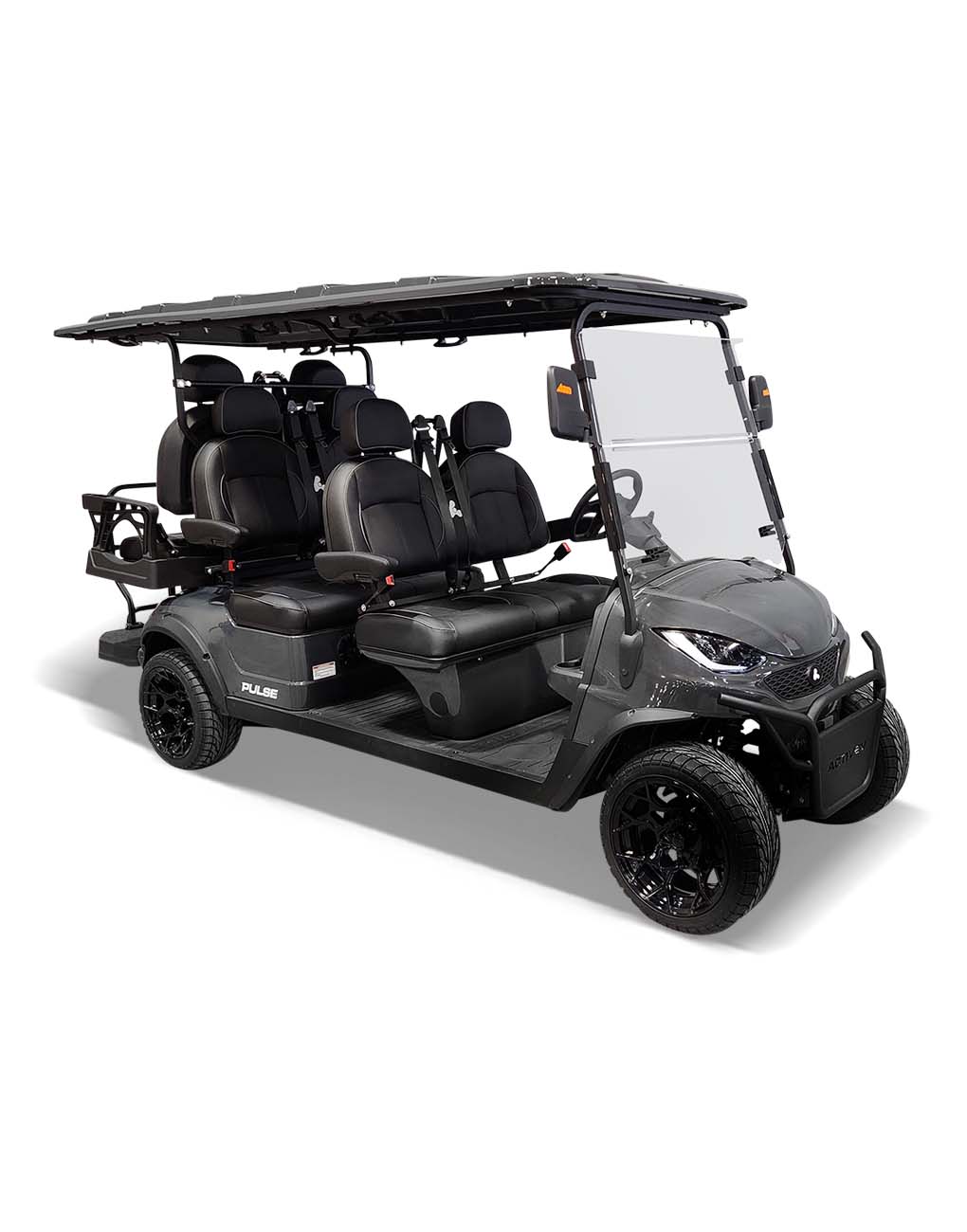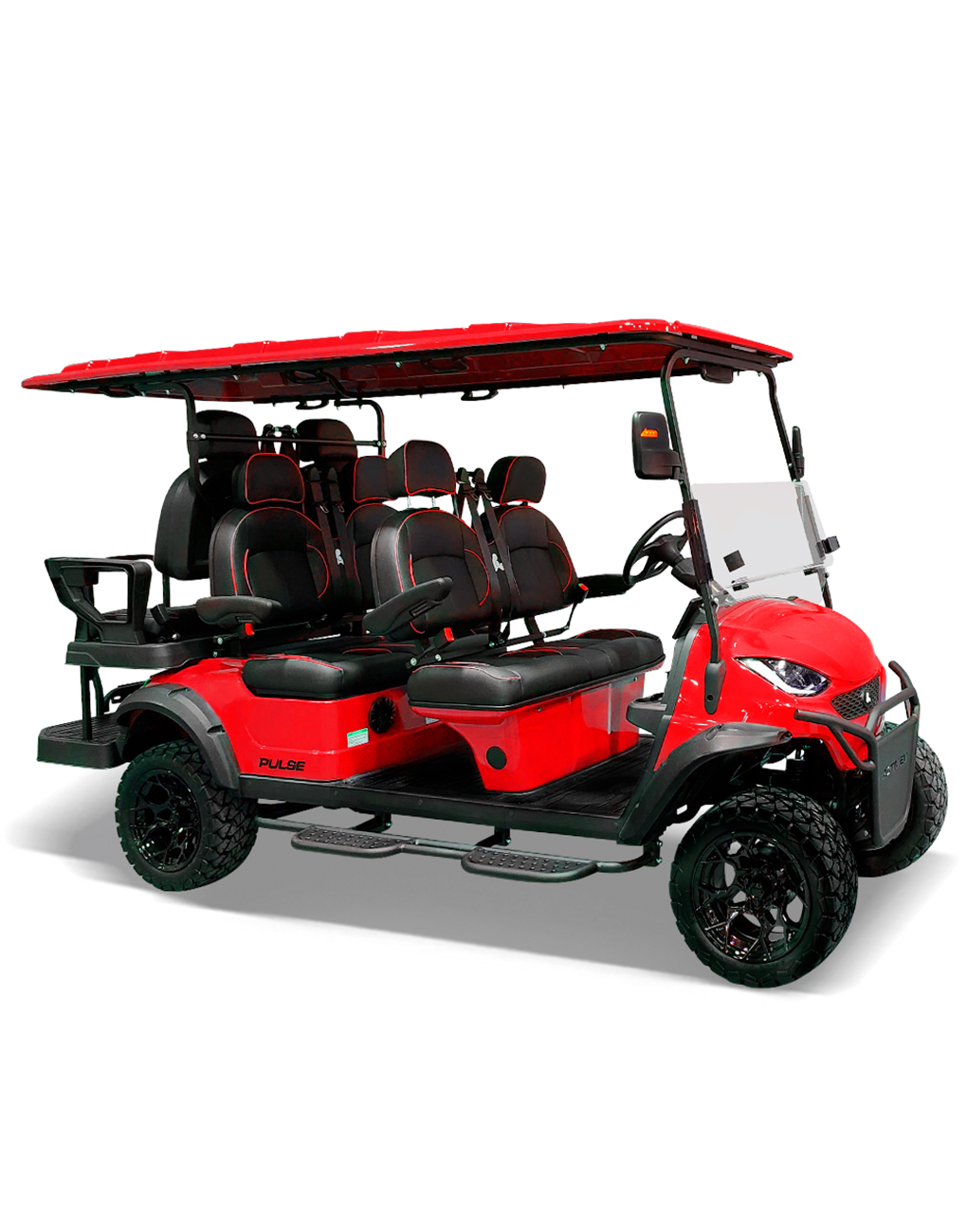
ActivEV Pulse Low Speed Vehicle (LSV) street legal red electric car
Global Procurement & Engineering Standards

The Master Guide to Low Speed Vehicles (LSVs): Engineering Compliance, Fleet Electrification, and Sourcing Strategies

Explore FMVSS 500 street-legal standards, LiFePO4 battery integration, total cost of ownership models, and ActivEV’s commercial fleet solutions backed by Bintelli engineering.

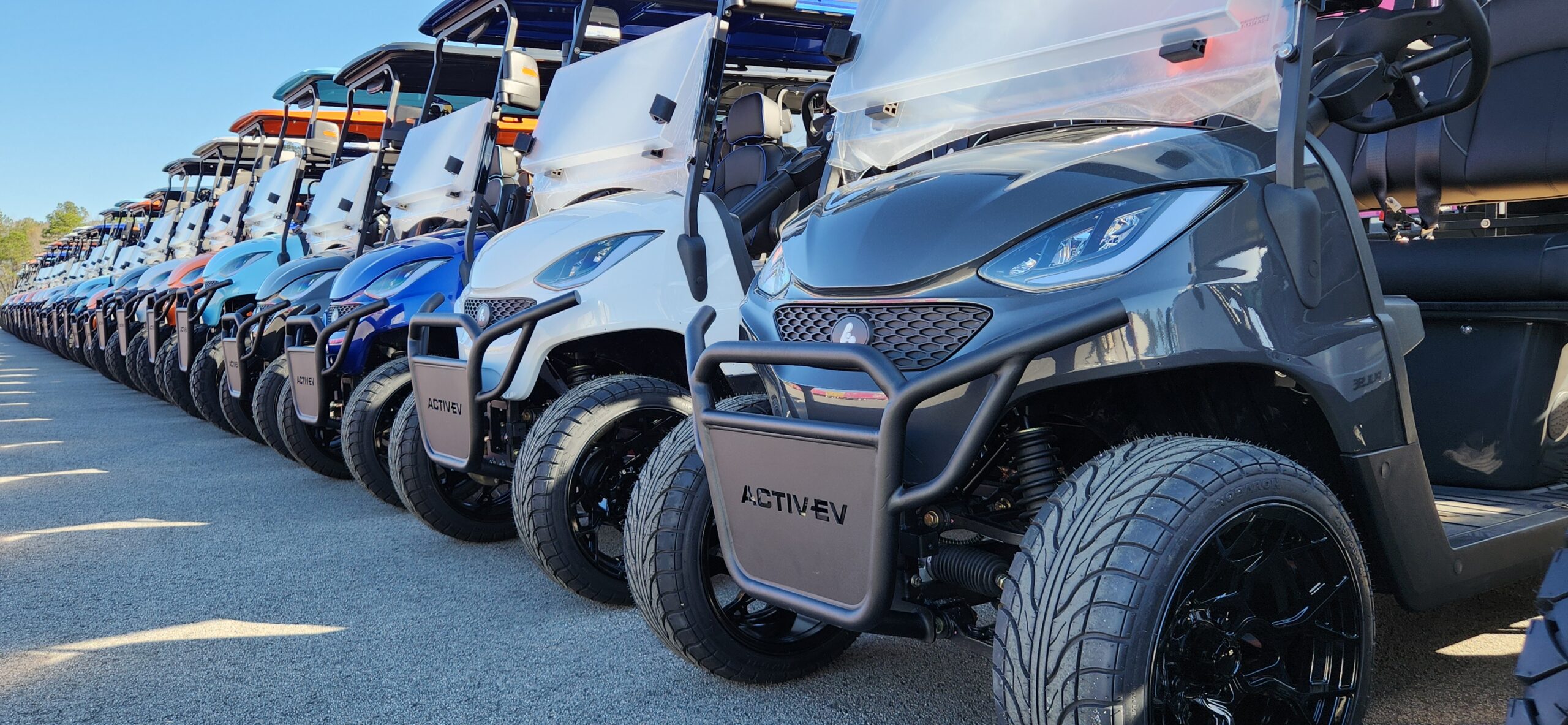
Fleet of ActivEV street legal LSVs lined up outdoors for distribution
Voted Golf Cart & LSV Brand of the Year

Automotive-Grade Manufacturing for Global Buyers

Delivering fully homologated, DOT-certified 2, 4, and 6-passenger LSVs directly to international dealers, municipal fleets, and luxury resorts.

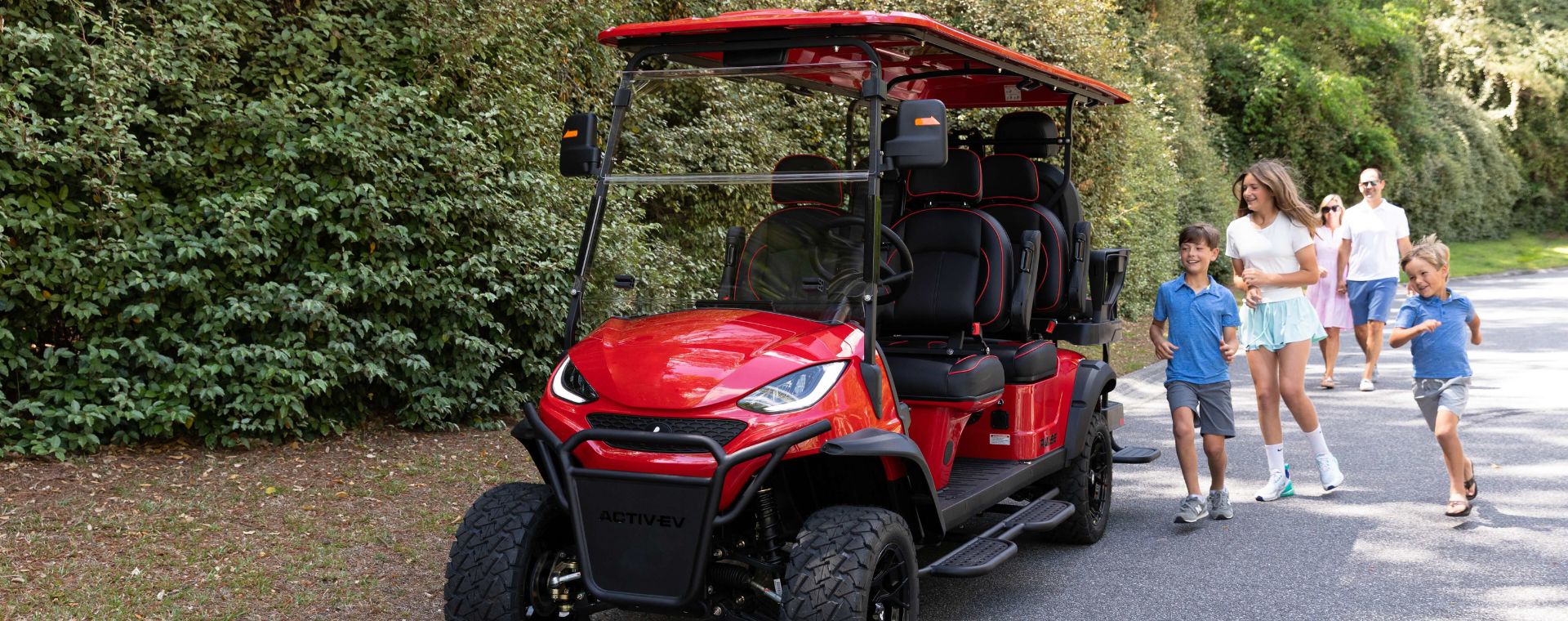
Lifted ActivEV Pulse low speed vehicle driving on public paved road
Commercial & Municipal Procurement

Next-Generation Micro-Mobility & Urban Transit

Reduce fleet operational expenses by up to 45% with heavy-duty aluminum chassis design, lithium power packs, and smart IoT telemetry.

25 MPH

Certified Top Speed under FMVSS 500 federal low-speed vehicle guidelines.

3500+

Lithium LiFePO4 battery life cycles with zero battery fluid maintenance.

17-Digit

Standardized Automotive VIN for easy registration, titling, and insurance.

100% DOT

Equipped with AS-1 safety glass, 3-point seatbelts, LED lighting, and hydraulic brakes.

DOT FMVSS 500 Compliance Tested
Regulatory & Engineering Architecture

What Defines a True Low Speed Vehicle (LSV)?

In global automotive procurement, conflating traditional golf carts with certified Low Speed Vehicles (LSVs) leads to legal non-compliance, insurance rejections, and operational bottlenecks. A true LSV is an automotive-class electric vehicle regulated by strict federal standards.

According to the U.S. National Highway Traffic Safety Administration (NHTSA) Federal Motor Vehicle Safety Standard No. 500 (FMVSS 500), an LSV is defined as a four-wheeled electric vehicle with a maximum speed governed between 20 mph (32 km/h) and 25 mph (40 km/h), engineered to operate legally on public roads with posted speed limits up to 35 mph (55 km/h).

  • Automotive VIN & Titling: Every LSV must leave the assembly line with a standardized 17-digit Vehicle Identification Number (VIN) enabling municipal titling and license plate issuance.
  • DOT-Mandated Safety Assembly: Integrated AS-1 or AS-2 laminated safety glass windshield with electric wipers, FMVSS 209 certified 3-point seatbelts, automotive horn, and dual exterior rearview mirrors.
  • Illumination & Signal Matrix: High/low beam LED headlamps, front and rear turn indicators, high-mount brake lights, license plate illuminators, and reflex reflectors.
  • Dual-Circuit Hydraulic Braking: Hydraulic 4-wheel disc brakes supported by an independent parking brake mechanism to ensure rapid stopping distances under full payload.

Technical Specification Matrix: Standard Golf Carts vs. PTVs vs. FMVSS 500 LSVs

Understanding these structural differences ensures procurement teams acquire compliant assets tailored to their exact operational environments.

Engineering Attribute Traditional Golf Cart Personal Transportation Vehicle (PTV) ActivEV Low Speed Vehicle (LSV)
Governed Top Speed 12 – 14 mph (19 – 22 km/h) 19.9 mph (32 km/h) 24 – 25 mph (38 – 40 km/h)
Public Road Rights Prohibited (Golf course / Private property) Restricted (Designated cart paths / local permits) Fully Street Legal (Public roads up to 35 mph speed limits)
VIN Standard Serial Number only Manufacturer Serial / Non-standard ID Automotive 17-Digit Standardized VIN
Windshield Spec Acrylic Fold-down (Non-DOT) Acrylic / Polycarbonate (Non-DOT) AS-1 Laminated Safety Glass with Wiper System
Restraint System None or lap belts Lap belts (optional) DOT FMVSS 209 3-Point Seat Belts for all seating positions
Braking System Rear mechanical drum brakes Rear mechanical drum or mechanical disc 4-Wheel Hydraulic Disc Brakes + Regenerative Motor Braking
Battery Architecture Flooded Lead-Acid / Basic AGM Lead-Acid or basic Lithium option Maintenance-Free Lithium LiFePO4 with Smart BMS Telematics
Product Recommendations

The ActivEV Pulse Series: Engineered LSV Lineup

Built upon Bintelli’s award-winning electric platform, the ActivEV Pulse lineup offers global buyers modular configurations designed for urban transport, resort hospitality, gated communities, and enterprise logistics.

Compact Utility & Fleet ActivEV Pulse 2 Passenger Electric Low Speed Vehicle LSV
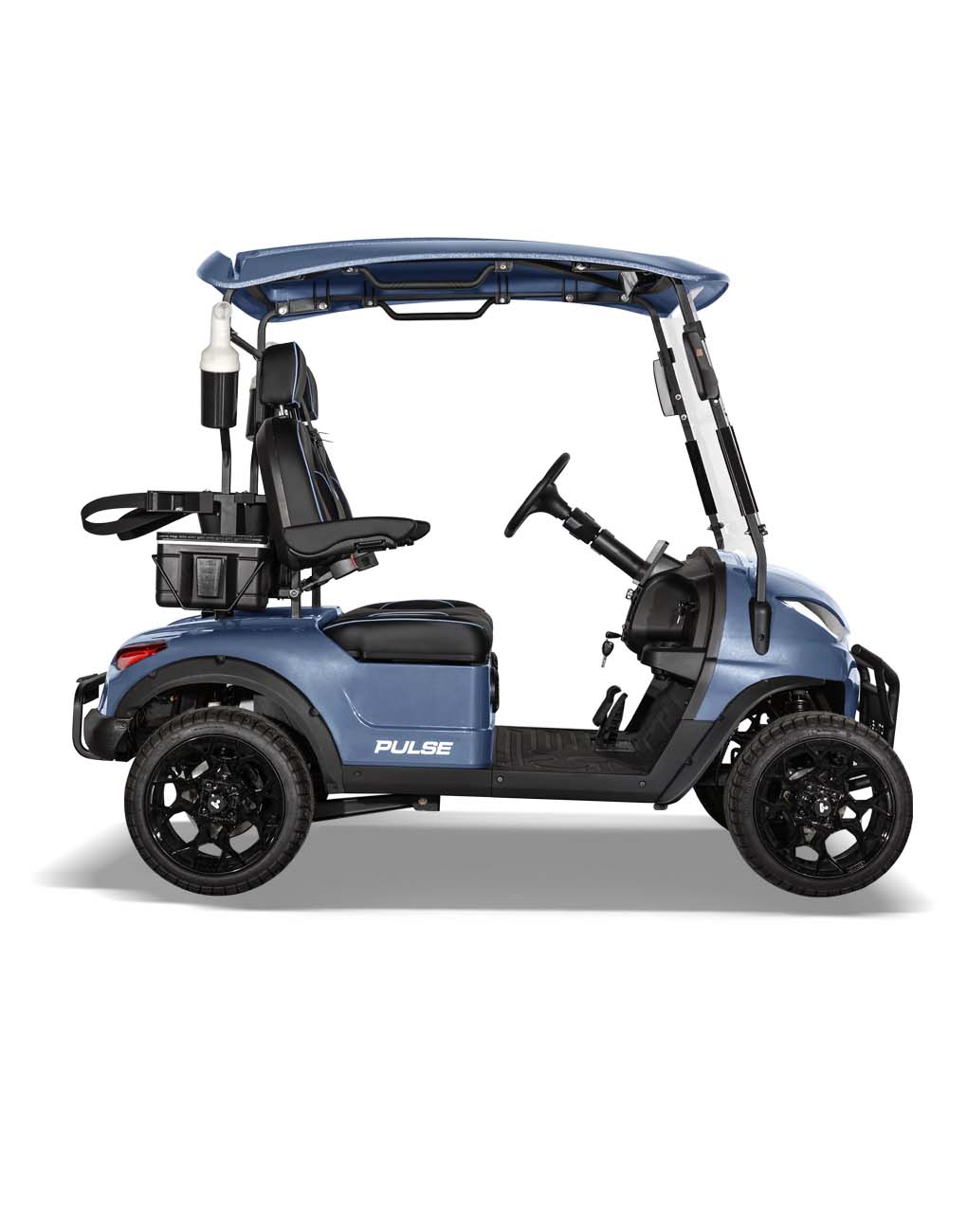
ActivEV Pulse 2-Passenger LSV

Designed for corporate campuses, municipal inspection fleets, and compact urban commuting. Offers an agile turning radius paired with high-capacity rear utility storage space.

25 MPH Top Speed LiFePO4 Lithium Utility Payload

Ideal Procurement Use: Security patrols, golf course management, executive transport, high-density residential facilities.
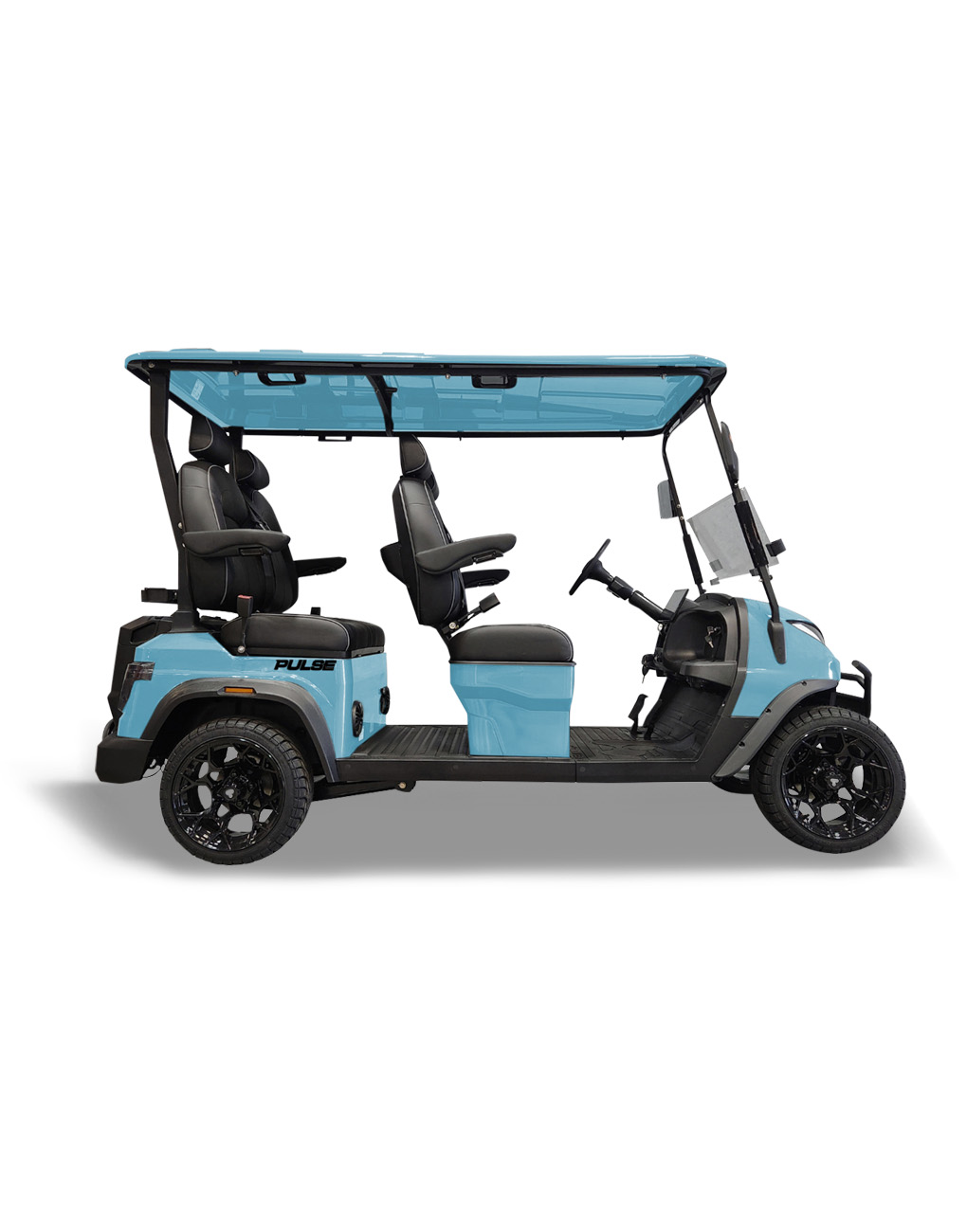
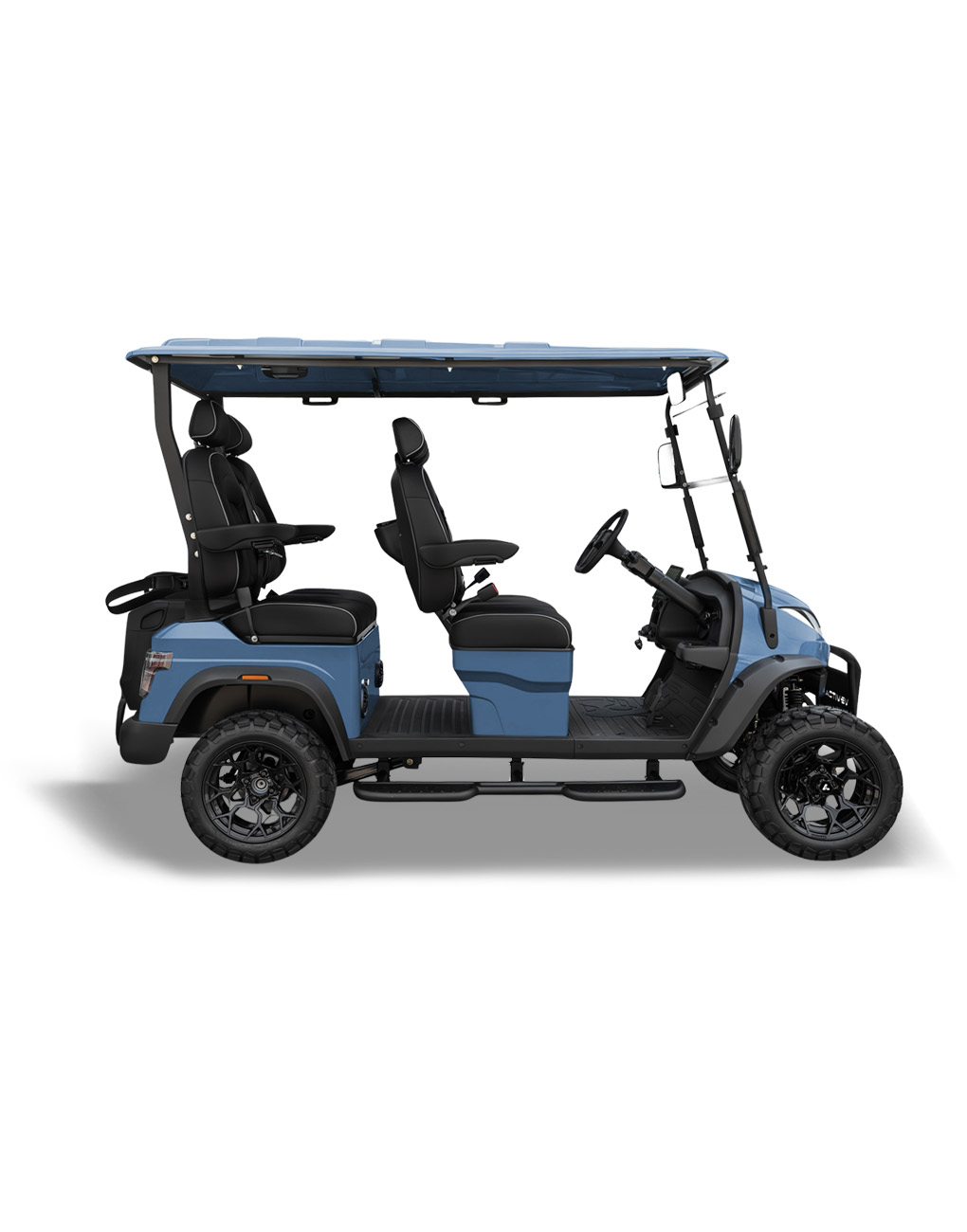
Family & Urban Shuttle ActivEV Pulse 4 Passenger Forward Facing Street Legal LSV

ActivEV Pulse 4-Passenger Forward Facing

The standard benchmark for neighborhood electric transportation. Features four forward-facing executive contour seats, ensuring maximum ergonomic comfort and passenger safety.

4 Forward Seats DOT Safety Glass Digital Cockpit

Ideal Procurement Use: Gated community micro-transit, urban ride-sharing fleets, hotel guest mobility, family transport.

All-Terrain Executive ActivEV Pulse 4 Passenger Lifted Forward Facing Electric LSV

ActivEV Pulse 4-Passenger Lifted

Engineered with rugged aluminum suspension lift kits, heavy-duty dampeners, and custom alloy wheels wrapped in all-terrain tires. Dominates unpaved roads and uneven resort paths.

Heavy-Duty Lift All-Terrain Tires High Clearance

Ideal Procurement Use: Eco-resorts, coastal beach properties, agricultural estates, multi-surface commercial facilities.

High-Capacity Shuttle ActivEV Pulse 6 Passenger Electric Shuttle LSV

ActivEV Pulse 6-Passenger LSV

Built upon an extended high-tensile steel frame with multi-row seating. Provides high-efficiency group transportation with whisper-quiet electric drive performance.

6 Passenger Seats Stretched Frame Fleet Operations

Ideal Procurement Use: Airport shuttles, university campus transit, island resort hospitality, commercial event venues.

Commercial Off-Road Fleet ActivEV Pulse 6 Passenger Lifted Red LSV

ActivEV Pulse 6-Passenger Lifted

Combines maximum seating capacity with elevated ground clearance. Heavy-duty suspension and high-torque AC motor calibration handle full passenger payloads on demanding inclines.

6 Seats + Lifted High Torque AC Motor Rugged Chassis

Ideal Procurement Use: Adventure parks, luxury island transport, large family rentals, estate management fleets.

Custom Bulk Procurement & OEM Fleet Orders

Need specialized seating configurations, custom corporate branding, fleet telematics integration, or specific battery capacities for your fleet project?

Our engineering and enterprise supply chain team provides factory-direct consultation and bulk export pricing models.

Market & Technology Evolution

The low-speed electric vehicle domain is experiencing a seismic shift driven by urbanization, zero-emission mandates, and battery chemistry advancements. Analyzing these macro trends empowers global sourcing directors to make future-proof investments.

1. Accelerated Phase-Out of Lead-Acid Chemistry

Global regulatory pressure and operational inefficiency are forcing legacy lead-acid batteries out of the market. High-density Lithium Iron Phosphate (LiFePO4) systems with integrated Battery Management Systems (BMS) are now mandatory for enterprise buyers due to zero thermal runaway risks and superior thermal stability.

2. IoT Fleet Telematics & CAN-Bus Integration

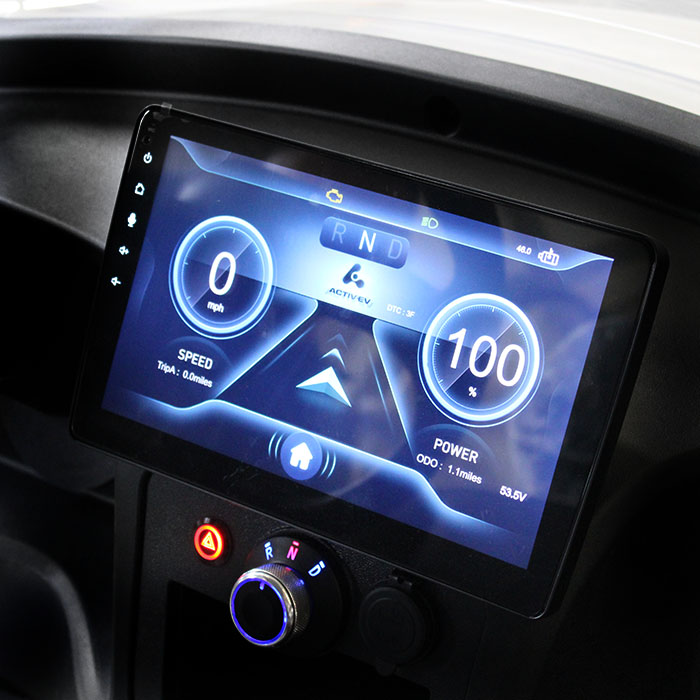
Modern LSVs are evolving into smart connected endpoints. Enterprise operators require digital dashboards with real-time GPS tracking, remote battery SOC (State of Charge) diagnostics, geofencing speed controls, and automated maintenance alerts to maximize fleet uptime.

3. Automotive-Grade Crash-Safety Standards

Municipalities are raising compliance thresholds. Low speed vehicles are transitionally adopting automotive structural engineering standards, including e-coated anti-corrosion aluminum frames, crumple zones, 4-wheel hydraulic disc brakes, and toughened AS-1 safety glass.

4. Expansion into Municipal Micro-Transit

Urban planning initiatives across North America, Europe, and coastal APAC regions are creating designated LSV lanes and low-speed zones. LSVs are rapidly replacing full-size ICE vehicles for last-mile mail delivery, urban security patrols, and civic transit systems.

5. Solar & Renewable Charging Integration

Forward-thinking resort developers and eco-districts are pairing LSV fleets with solar-canopy charging hubs. Standardized onboard chargers supporting universal 110V–240V AC inputs ensure rapid operational turnaround anywhere in the world.

6. Demand for Forward-Facing Seating Architectures

Consumer and fleet user preferences have shifted decisively away from rear-facing flip seats toward full forward-facing passenger cabin layouts. This design dramatically improves rider safety, mitigates motion sickness, and satisfies strict insurance liability constraints.

Strategic Sourcing & Procurement

Procurement officers can no longer evaluate low speed vehicles solely on initial purchase price. The 2025–2030 sourcing model centers on Total Cost of Ownership (TCO), modular maintenance, supply chain resilience, and global compliance verification.

  • 5-Year TCO Superiority: Procurement data indicates that while lithium-powered LSVs carry a modest upfront premium, they yield a 40%–50% operational cost reduction over 5 years by eliminating replacement battery packs, acid corrosion damage, and routine liquid maintenance.
  • Standardized Spare Parts Pipelines: Experienced buyers reject unbranded import suppliers with non-standard parts. Sourcing managers demand factory-direct access to standardized brake pads, suspension bushings, digital harnesses, and controller modules.
  • ESG & Carbon Offset Compliance: Enterprise organizations leverage fleet electrification to satisfy mandatory Scope 1 emission reduction targets. Sourcing certified electric LSVs produces quantifiable environmental reporting data for corporate sustainability audits.
  • Localized Homologation & Titling Support: Commercial fleets require factory documentation including MSOs (Manufacturer Certificates of Origin), VIN verification papers, and DOT compliance tags to streamline customs clearance and local DMV motor vehicle titling.
ActivEV Pulse digital driver display screen demonstrating integrated battery state of charge and diagnostics Smart Cockpit & Battery Telematics
Experience, Expertise & Reliability

Why Source ActivEV Low Speed Vehicles?

ActivEV is not an unproven OEM assembler. We are backed by the engineering power, distribution network, and manufacturing legacy of Bintelli — headquartered in Charleston, South Carolina, USA.

With over two decades of electric vehicle manufacturing experience, Bintelli-backed ActivEV platforms are deployed nationwide across luxury resorts, university campuses, military installations, municipal fleets, and residential communities. Our platform was independently voted Golf Cart & LSV Brand of the Year by industry dealers and owners.

  • Rigorous 100+ Point Inspection: Every ActivEV LSV undergoes intensive mechanical, electrical, braking, and road-testing protocols before dispatch.
  • Nationwide & Global Dealer Network: Localized warranty coverage, certified field technicians, and rapid spare parts fulfillment ensure continuous operational support.
  • Factory Direct Documentation: Access comprehensive technical manuals, wiring schematics, and service literature via our open digital library.
Voted Golf Cart & LSV Brand of the Year award seal
Engineering Inspection

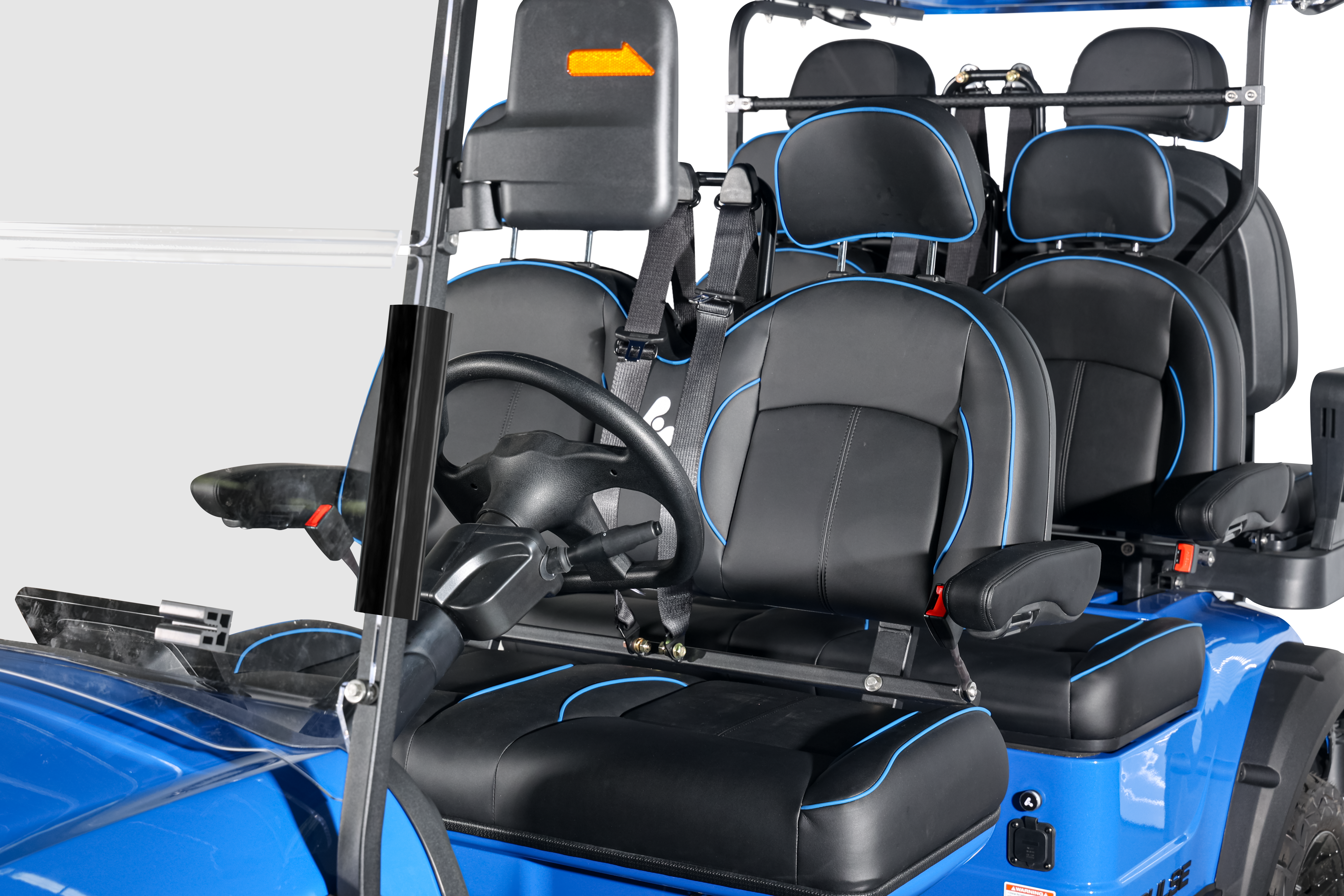
Examine the high-grade materials, marine-grade seating trim, LED optical assemblies, and heavy-duty chassis components engineered into every ActivEV LSV.

Frequent Questions

Low Speed Vehicles (LSVs) Procurement FAQ

Essential answers for global buyers, fleet operators, dealers, and regulatory compliance managers.

Under FMVSS 500 standards, an LSV must include a 17-digit VIN, DOT-certified AS-1 laminated safety glass windshield with electric wiper, 3-point seat belts for every seat, hydraulic disc brakes, high/low beam headlights, turn signals, tail lights, stop lights, license plate illuminator, side exterior mirrors, reflex reflectors, and a top speed governed at 24–25 mph. Basic golf carts lack these safety components and cannot be legally registered for public road operation.

Operating range varies based on battery configuration, payload weight, terrain, and ambient temperature. Standard ActivEV Pulse lithium LiFePO4 battery packs yield approximately 40 to 65 miles (64 to 104 km) per full charge under normal driving conditions. Extended-range lithium upgrade packages are available for demanding commercial resort and shuttle applications requiring all-day operational endurance.

ActivEV LSVs feature convenient onboard smart charging units that plug directly into standard 110V household wall outlets or 220V/240V international power supplies. No expensive specialized EV Fast-Charging DC infrastructure is required. The integrated Battery Management System (BMS) automatically regulates voltage, prevents overcharging, and balances cell life during charge cycles.

ActivEV supplies complete regulatory documentation with every shipment, including the Manufacturer's Statement of Origin (MSO), Bill of Lading, Commercial Invoice, HS Code classification documents (typically HS Code 8703.90), stamped 17-digit VIN certificates, and FMVSS 500 compliance test sheets to ensure smooth customs clearance and rapid local motor vehicle titling.

LiFePO4 (Lithium Iron Phosphate) chemistry is structurally stable and non-combustible, eliminating thermal runaway risks associated with Nickel Manganese Cobalt (NMC) cells in utility environments. Compared to lead-acid batteries, LiFePO4 weighs 70% less, charges twice as fast, delivers 3,500+ charge cycles (vs. 500 cycles), requires zero maintenance, and maintains full acceleration voltage even at 20% remaining capacity.

No. Federal regulations restrict Low Speed Vehicles to public roads with posted speed limits of 35 mph (55 km/h) or less. While LSVs are permitted to cross higher-speed arterial roads at designated intersections in most jurisdictions, they are prohibited from driving directly on highways, freeways, or expressways.

ActivEV offers extensive OEM/ODM fleet customization including custom body powder-coating, corporate vinyl wrap application, commercial seat vinyl grades, utility cargo box conversions, beacon warning lights, Bluetooth audio integration, telematics tracking modules, and custom wheel/tire packages.

Commercial buyers, enterprise fleet operators, and prospective retail dealers can connect directly with our global sales engineering team by clicking any of the Send an Inquiry buttons on this page. Our specialists will provide technical spec sheets, lead times, inventory availability, and volume pricing quotes within 24 business hours.

Knowledge Base

Explore LSV Engineering & Sourcing Resources

Gain deeper technical insights into low-speed vehicle classifications, lithium battery architecture, and street-legal legislation.

Global Fleet Sourcing

Ready to Upgrade Your Commercial Fleet with ActivEV LSVs?

Connect directly with our engineering and procurement team. Get official technical specification datasheets, bulk price quotations, freight estimates, and dealer distribution details today.