Export-Grade Vintage & Utility Carts for Tokyo Enterprises
Precision-engineered, DOT/CE-certified mobile dining trailers, hospitality trolleys, and medical service carts built to navigate Tokyo’s unique urban layout.

HONLU New Design Trailer Coffee Shop Cart Commercial Mobile Bar Food Truck with Full Kitchen (DOT/CE)

Commercial Hotel Room Service Janitorial Cart Cleaning Trolley with Refuse Bag & Multi-Tier Storage

Commercial Housekeeping Cart 33L Large Capacity 4-Wheel Adjustable Handle PP Material Indoor/Outdoor Cart

Moto Piaggio Ape Vintage Style Food Truck Electric Engine Coffee Cart Mobile Ice Cream Trailer

2-Tier Commercial Kitchen Dining Cart Stainless Steel Movable Service Trolley Multifunctional Catering Unit

3-Layer Integrated Socket Medical & Salon Mobile Trolley Metal Dental Tool Storage Cart Stand

Heavy-Duty Commercial Catering 201/304 Stainless Steel Round Tube Service Trolley Cart
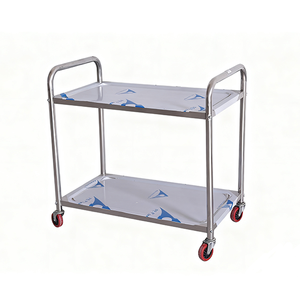
Two-Layer Stainless Steel Eco-Friendly Customized Kitchen Serving Trolley Hand Push Commercial Cart
Industry White Paper: Optimizing Commercial Mobility in High-Density Urban Ecosystems
Tokyo represents one of the most sophisticated, densely populated, and design-conscious commercial markets in the world. From the ultra-luxury retail corridors of Ginza and Omotesando to the sprawling hospitality complexes of Roppongi and Shinjuku, businesses operate under exceptionally high standards for space efficiency, operational silence, and aesthetic harmony. As a primary manufacturer and specialized exporter of industrial-grade vintage food trailers, housekeeping trolleys, and utility carts, our engineering backbone is built to meet the exact operational demands of Japanese commercial enterprises.
In Tokyo's retail and food-service sectors, the shift toward micro-mobility and mobile dining solutions is accelerating. With real estate overheads in prime wards reaching historical peaks, commercial operators are leveraging customized mobile platforms—such as retro European-style food trailers and Piaggio Ape inspired electric carts—to establish high-yield revenue nodes without the long-term commitments of traditional brick-and-mortar leases. Simultaneously, Tokyo’s luxury hotel segment demands silent, highly maneuverable service trolleys that maintain guest serenity while maximizing staff productivity in narrow corridors and multi-story elevator shafts.
Localized Application Scenarios Across Tokyo Wards
Tailored mobility solutions designed for specific micro-environments within Tokyo's commercial infrastructure.
Harajuku & Jinnan Artisanal Coffee Carts
In the pedestrian-heavy fashion districts of Shibuya and Harajuku, our Moto Piaggio Ape coffee carts and retro trailers provide compact footprints equipped with full commercial espresso setups, lithium-ion battery banks, and compliant greywater systems—ideal for pop-up micro-cafes along narrow street alleys.
Marunouchi & Roppongi Luxury Housekeeping
High-rise international hotels in Marunouchi demand room service and janitorial carts engineered for whisper-quiet travel. Our heavy-duty PP and stainless steel housekeeping trolleys feature non-marking thermoplastic rubber (TPR) casters, reducing operational noise below 68dB in carpeted hallway zones.
Ginza & Ebisu Aesthetic Spas & Dental Clinics
Tokyo's high-end medical aesthetic clinics require ultra-hygienic, multi-tiered mobile tool carts. Featuring built-in power outlets, anti-bacterial stainless steel trays, and smooth-gliding caster locks, our 3-layer beauty trolleys streamline clinical workflows in compact consultation spaces.
Strategic Development Trends Shaping Tokyo's Procurement Landscape
Commercial cart procurement in Japan is no longer governed solely by basic utility; it is driven by broader macroeconomic transformations, municipal green mandates, and evolving consumer aesthetic sensibilities. Importers and enterprise buyers must align their supply chains with four major localized market vectors:
1. Tokyo 2030 Zero-Emission Vehicle Initiative & Micro-Mobility Mandates: The Tokyo Metropolitan Government's aggressive push toward zero-emission urban logistics has accelerated the phase-out of gas-powered mobile vending units. Forward-thinking operators are transitioning to zero-emission electric vintage carts powered by automotive-grade lithium-ion battery management systems (BMS). Our vehicles feature high-efficiency electric powertrains compatible with 100V AC Japanese domestic wall-charging systems, enabling silent, zero-emission operation in indoor event spaces, parks, and private commercial plazas.
2. Ergonomic Optimization Facing Hospitality Labor Deficits: Japan’s demographic structural shifts have placed unprecedented emphasis on workplace ergonomics and operational efficiency in the service sector. Modern housekeeping carts and kitchen service trolleys are engineered with adjustable push handles, lightweight high-density polypropylene (PP) shells, and center-swivel caster dynamics that reduce staff physical exertion by up to 35% during continuous 8-hour shift rotations.
3. Retro-Modern Aesthetic Branding in Boutique Retail: In retail hubs such as Omotesando, consumers actively engage with immersive, visual-first brand experiences. Vintage food trailers featuring classic automotive curves, chrome trim finishings, and retro pastel palettes serve as instant marketing catalysts. These mobile retail platforms achieve significantly higher social media engagement while matching the architectural aesthetic of Tokyo's trendsetting districts.
4. Strict Sanitation Compliance under the Revised Food Sanitation Act: Following updates to Japan's Food Sanitation Act (食品衛生法), mobile food service platforms must adhere to stringent hygienic construction standards. Our custom mobile kitchens feature seamless 304 food-grade stainless steel countertops, dual-basin handwashing stations with automated sensor faucets, dedicated clean/waste water containment, and smooth radius corners that prevent bacterial accumulation.
Technical Specifications & Material Compliance Matrix
Comparative engineering breakdown of our commercial cart platforms exported to the Japanese market.
| Platform Category | Primary Material Grade | Electrical & Safety Certification | Noise Level Rating | Tokyo Application Target |
|---|---|---|---|---|
| Vintage Electric Food Trailers | Galvanized Steel Chassis + 304 Stainless Kitchen | DOT / CE / PSE Compatible Wiring | < 50 dB (Electric Drive) | Harajuku, Shibuya Mobile Cafes, Events |
| Hotel Housekeeping Trolleys | High-Impact PP + Reinforced Alloy Frame | RoHS / Eco-Polymer Compliant | < 65 dB (Whisper-Quiet Casters) | Luxury Hotels in Roppongi & Marunouchi |
| Kitchen Service & Dining Carts | SUS304 / SUS201 Stainless Steel | Food Hygiene Law (食品衛生法) Ready | < 60 dB (Soft-Wheel TPR) | Commercial Kitchens, Banquet Halls |
| Medical & Salon Mobile Trolleys | Powder-Coated Steel / Medical-Grade ABS | PSE Outlet Certification | < 55 dB (Precision Ball Bearing) | Ginza Beauty Spas, Dental Clinics |
Enterprise Engineering Capabilities & OEM/ODM Excellence
Backed by an award-winning electric vehicle and commercial equipment manufacturing infrastructure, our enterprise production facility spans tens of thousands of square meters, equipped with high-precision CNC laser cutters, robotic weld stations, and automated powder-coating lines. We specialize in contract OEM and ODM manufacturing tailored specifically to the rigorous import standards required by Japanese trading houses and commercial operators.
Factory-Direct Customization: We understand that no two commercial deployments are identical. Whether modifying overall cart dimensions to fit specific Japanese elevator dimensions (such as standard 900mm door clearances) or integrating specialized 100V 50Hz/60Hz Japanese electrical circuits with PSE-certified components, our engineering team works directly with your technical specs.
Rigorous Quality Control & Global Logistics: Every vehicle and cart undergoes rigorous functional testing prior to export, including water-ingress testing for food trailers, structural load-stress testing for service carts, and caster durability cycles. Our strategic shipping operations offer seamless containerized freight directly to the Ports of Tokyo and Yokohama, backed by comprehensive export documentation, custom tariff clearance support, and full spare-parts availability.
Frequently Asked Questions for Tokyo Importers
Key regulatory, technical, and logistical answers for Japanese commercial procurement teams.
What safety and electrical certifications apply to food carts imported into Japan?
Food trailers and mobile carts imported into Japan must comply with local electrical safety standards. Any onboard appliances, wiring harnesses, or charging units should utilize PSE-certified components (or be prepared for Japanese electrical inspector sign-off). Furthermore, mobile food units must comply with local Tokyo health bureau regulations under the revised Food Sanitation Act regarding water tank capacities and cleanable food-contact surfaces.
Can the vintage food trailers be customized for 100V Japanese standard electrical grids?
Yes. All of our commercial mobile kitchen food trailers and coffee carts can be factory-wired specifically for Japan’s 100V system (both 50Hz for Eastern Japan/Tokyo and 60Hz for Western Japan). We supply custom breaker panels, Japanese standard Type A/B outlets, and transformer setups as specified by your project engineers.
How do your housekeeping and utility carts handle narrow Japanese elevator and hallway dimensions?
Tokyo commercial buildings often feature tighter door openings and smaller freight elevators compared to Western facilities. Our commercial room service and housekeeping carts are manufactured with compact, high-efficiency footprints—offering outer widths starting at 500mm to 620mm—ensuring effortless 360-degree rotation in tight hotel corridors without compromising storage capacity.
What is the difference between 304 and 201 stainless steel for Tokyo restaurant procurement?
Grade 304 (SUS304) stainless steel contains higher nickel content, offering superior corrosion resistance against salt, acids, and constant moisture—making it essential for direct food-contact surfaces, commercial kitchens, and humid coastal environments around Tokyo Bay. Grade 201 stainless steel offers high structural strength and cost-efficiency for dry room service transport and general hotel utility trolley frames.
What is the typical shipping lead time from order confirmation to Port of Tokyo delivery?
Standard production cycles for customized utility carts and standard stainless trolleys range from 15 to 20 days. Full custom vintage food trailers with custom kitchen equipment fit-outs typically require 25 to 35 days for manufacturing, followed by a direct ocean transit time of approximately 4 to 7 days to the Port of Tokyo or Yokohama.