How do electric street-legal carts handle Mexico City's high altitude and steep hills?
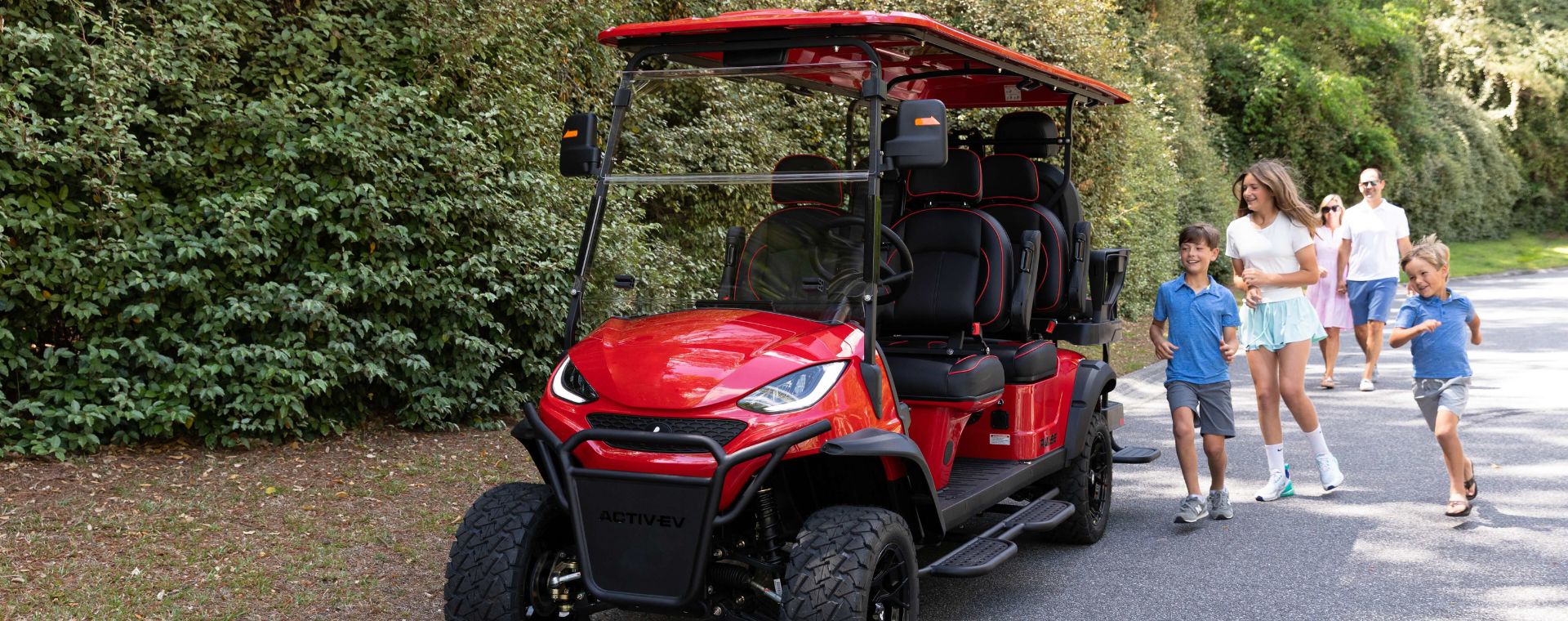
Unlike gasoline utility engines which lose 3.5% of power per 1,000 feet of elevation (resulting in over 20% torque degradation in Mexico City), electric powertrains experience zero atmospheric power loss. Our high-torque AC electric motors and controller systems deliver instant full-rated torque, easily climbing 15% to 20% slopes in areas like Santa Fe, Bosques de las Lomas, and San Ángel without overheating.
What legal paperwork is required to register an imported LSV cart with SEMOVI in CDMX?
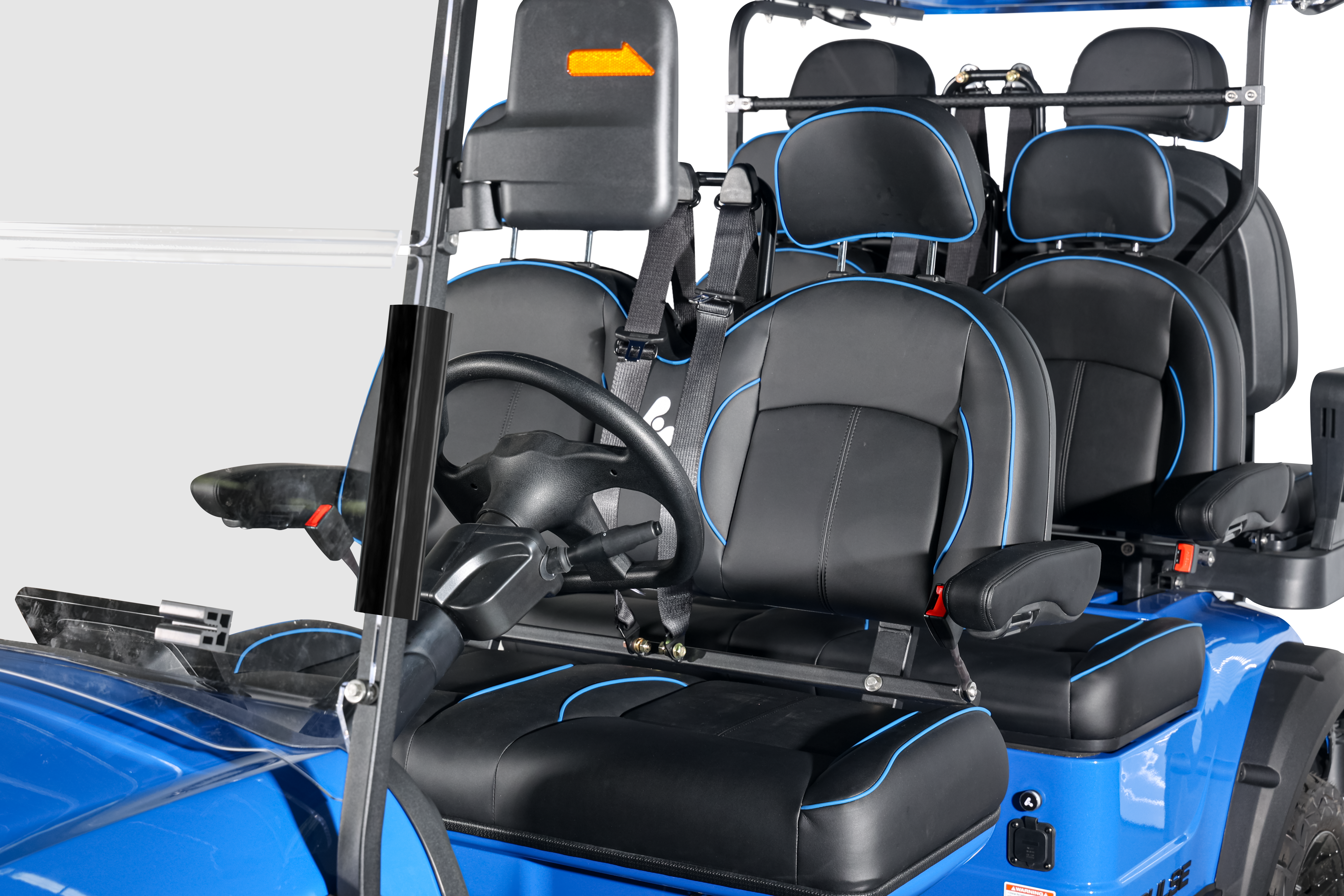
To title and plate a Low-Speed Vehicle (LSV) for street use in Mexico City, SEMOVI requires a stamped 17-digit VIN number, a Commercial Invoice (Factura), Bill of Lading (BL), Certificate of Origin, and proof of compliance with DOT safety hardware standards (windshield, seatbelts, mirrors, lights). We provide a complete export documentation dossier with every shipment to ensure smooth customs clearance and local titling.
Are the electrical systems on mobile food trailers and carts compatible with Mexico’s power grid?
Yes. All of our commercial food truck trailers, coffee carts, and electric vehicle chargers are customized at the factory for Mexico’s standard 110V/220V dual-voltage electrical grid at 60Hz. Kitchen appliances, power outlets (NEMA 5-15R standard), breaker boxes, and external shore power inlets are fully compliant with Mexican electrical norms.
What are the ocean freight lead times and shipping routes from China to Mexico City?
Ocean transit from primary Chinese ports (Qingdao, Shanghai, Ningbo) to Pacific Mexican ports (Manzanillo or Lázaro Cárdenas) typically takes 18 to 22 days. Customs processing and inland transit via bonded transport to Mexico City (Pantaco or local warehouse) require an additional 5 to 7 days. Total door-to-door lead time generally averages 30 to 35 days from factory dispatch.
Why choose LiFePO4 lithium batteries over traditional lead-acid for fleet operations?
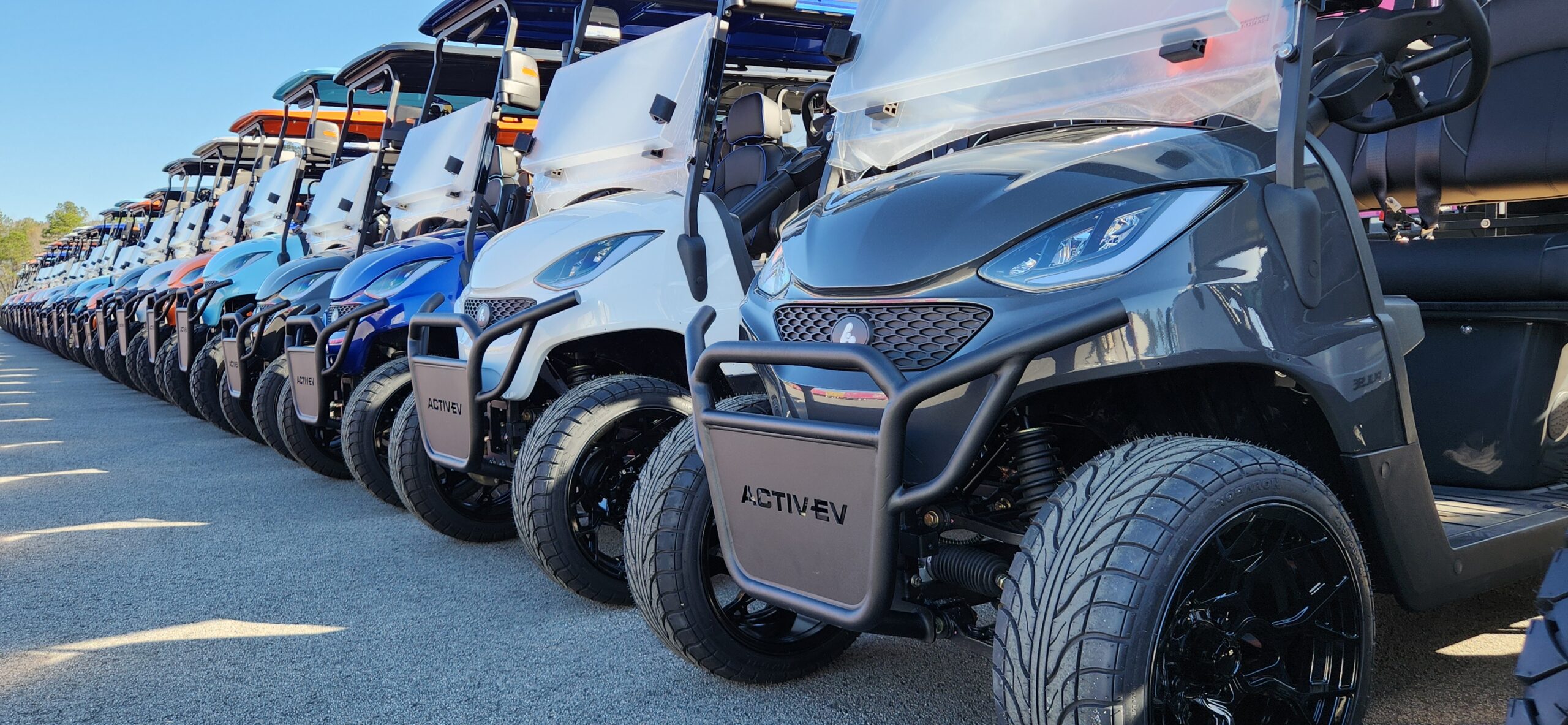
LiFePO4 (Lithium Iron Phosphate) offers significant commercial advantages: it weighs 60% less, charges in 2-4 hours (vs. 8-10 hours for lead-acid), requires zero water-filling maintenance, and provides a lifespan of 3,500+ charge cycles (approx. 8-10 years) compared to just 500 cycles for lead-acid. This reduces long-term total cost of ownership by more than 50% for CDMX commercial operators.
Can we order customized dimensions and logo branding for commercial food trailers & janitorial carts?
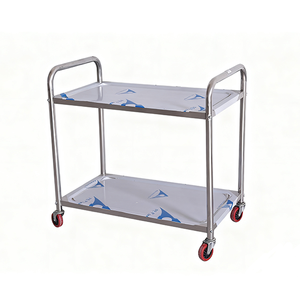
Absolutely. As a direct OEM/ODM manufacturer, we offer full customization services. You can specify trailer dimensions, internal kitchen layouts, stainless steel grade options (304 vs 201), exterior vinyl graphics wrap, paint matching, and custom shelf configurations tailored specifically to your hotel chain or mobile food franchise brand.
How are replacement parts and warranty claims handled in Mexico?
We provide a comprehensive factory warranty covering frame structure (5 years), lithium battery pack (3 years), and electric motor/controller (2 years). Replacement parts (brakes, switches, tires, chargers) are stocked in key regional distribution centers and can be dispatched via express air freight directly to your Mexico City location within 48 to 72 hours.
What is the minimum order quantity (MOQ) and payment terms for B2B buyers?
Our standard Minimum Order Quantity (MOQ) is 1 unit for sample evaluation on commercial trailers and electric vehicles, or 5-10 units for smaller stainless steel utility trolleys. We support flexible international payment terms including T/T (Telegraphic Transfer), L/C (Letter of Credit at sight), and structured trade finance for volume fleet buyers.