
Future Procurement Trends in Global Custom Electric Golf Carts (2025–2030)
Global procurement metrics for low-speed electric vehicles have fundamentally transformed over the past 36 months. As international commercial buyers adapt to aggressive corporate ESG (Environmental, Social, and Governance) targets and stringent local emissions mandates, the purchasing criteria for custom electric golf carts have expanded far beyond superficial body styling.
1. Accelerated Shift from Lead-Acid to Lithium Iron Phosphate (LiFePO4) Chemistry
The global transition away from traditional flooded lead-acid and AGM batteries toward Lithium Iron Phosphate (LiFePO4) is now practically absolute in commercial procurement. Procurement teams evaluate batteries based on lifetime cycle cost rather than upfront acquisition expenditure. Standard lead-acid batteries degrade rapidly under deep-cycle operation, requiring total replacement every 18 to 24 months, alongside continuous maintenance (distilled water topping, terminal rust remediation, and acid neutralizing washdowns).
Conversely, ActivEV’s integrated LiFePO4 battery management systems (BMS) deliver 3,000+ full charge/discharge cycles while retaining over 80% original capacity. For commercial operators running multi-shift resort operations or municipal maintenance circuits, this translates to zero maintenance labor overhead, fast 2-hour opportunity charging, and zero toxic acid off-gassing.
2. Integration of Smart IoT Fleet Telematics & Remote Management
Modern fleet managers overseeing 20 to 500 custom electric golf carts require granular, real-time visibility into vehicle location, battery state-of-charge (SoC), operational diagnostics, and driver behavior. Procurement requests today frequently specify CAN-bus integrated telematics modules that sync directly with central fleet management software platforms.
Through automated cellular or Wi-Fi data uplink, operational teams monitor cell-level battery voltages, receive instantaneous alerts for unauthorized geofence breaches, and schedule predictive maintenance before a hardware fault causes field downtime. ActivEV vehicles are built with modular wiring architectures to seamlessly interface with international fleet telematics hardware.
Procurement ROI Metric: Total Cost of Ownership (TCO) Shift
Switching a 50-vehicle commercial golf cart fleet from lead-acid to customized lithium-ion electric carts reduces overall operating expenses by up to 42% over a 5-year operational lifecycle. Primary savings stem from zero battery replacement costs, reduced electricity consumption due to higher charging efficiency (95% vs 75%), and minimized labor costs tied to battery maintenance routines.
3. Demand for Multi-Purpose Modular Chassis & Convertibility
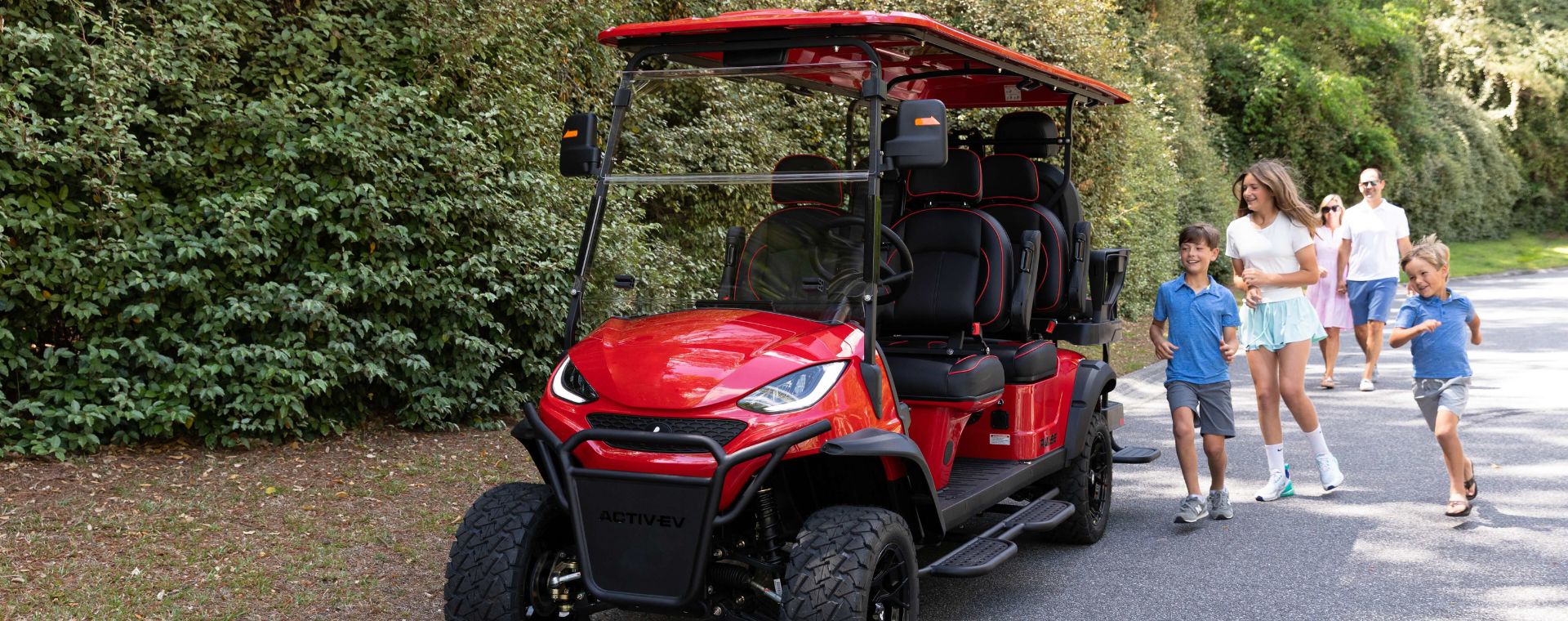
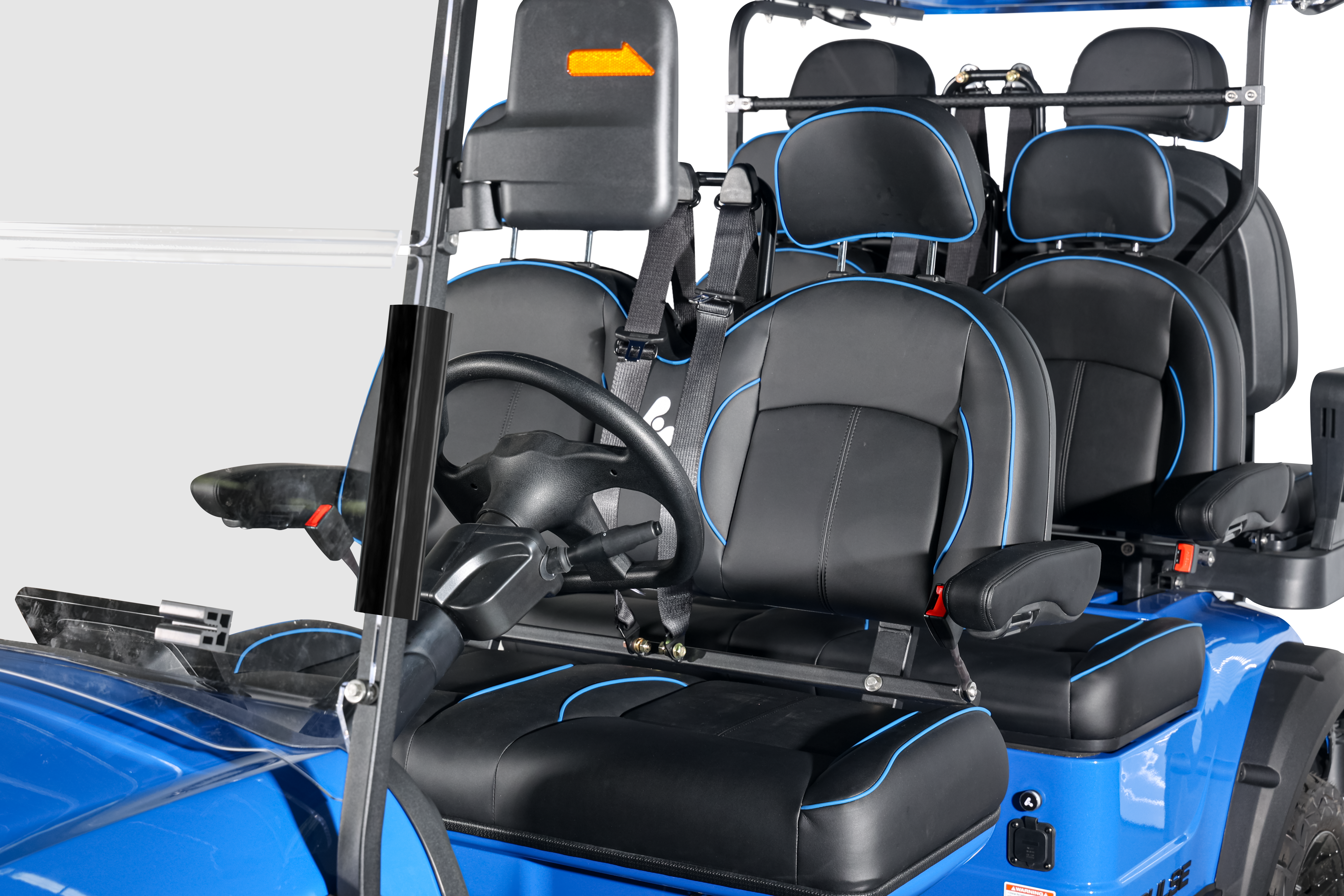
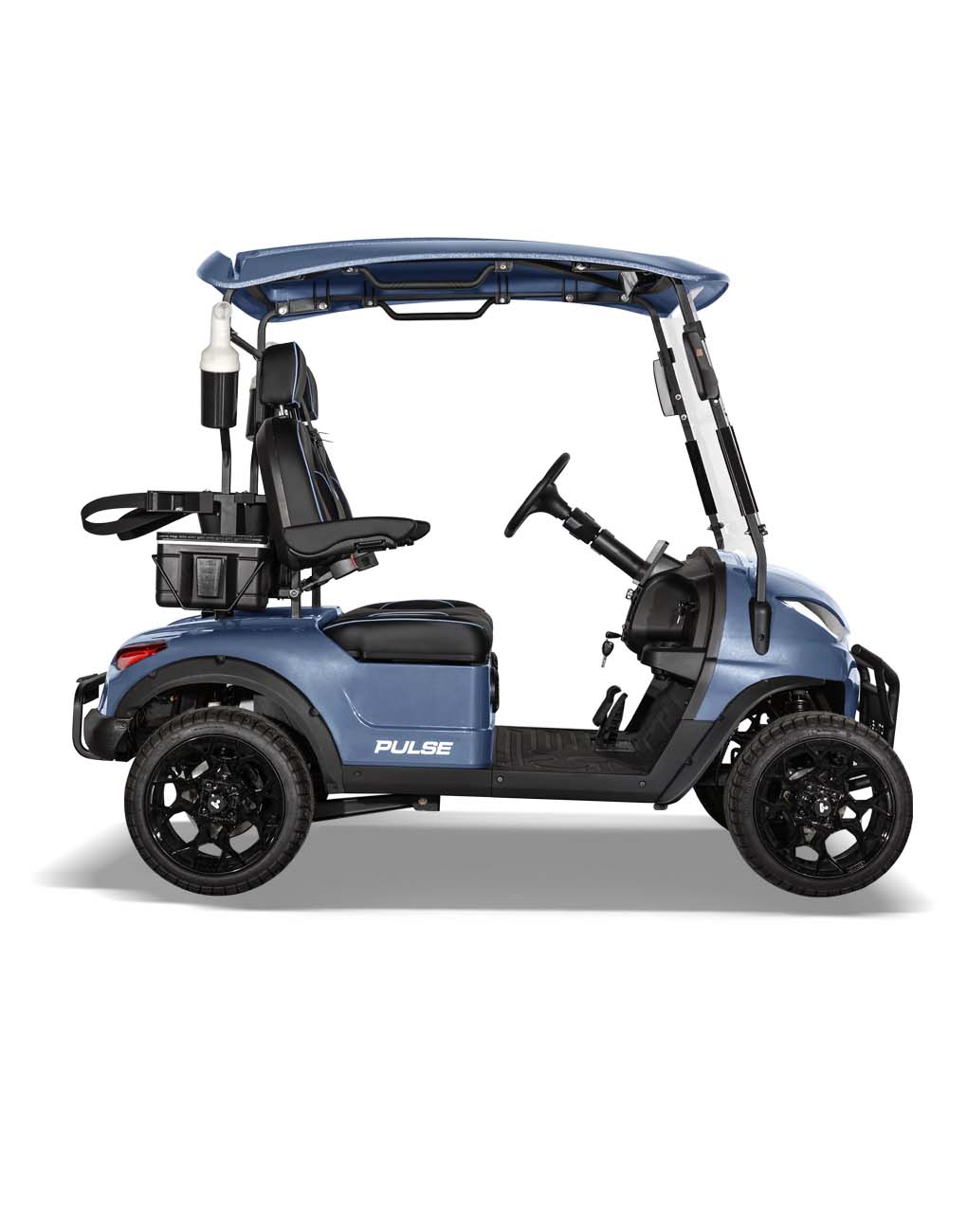
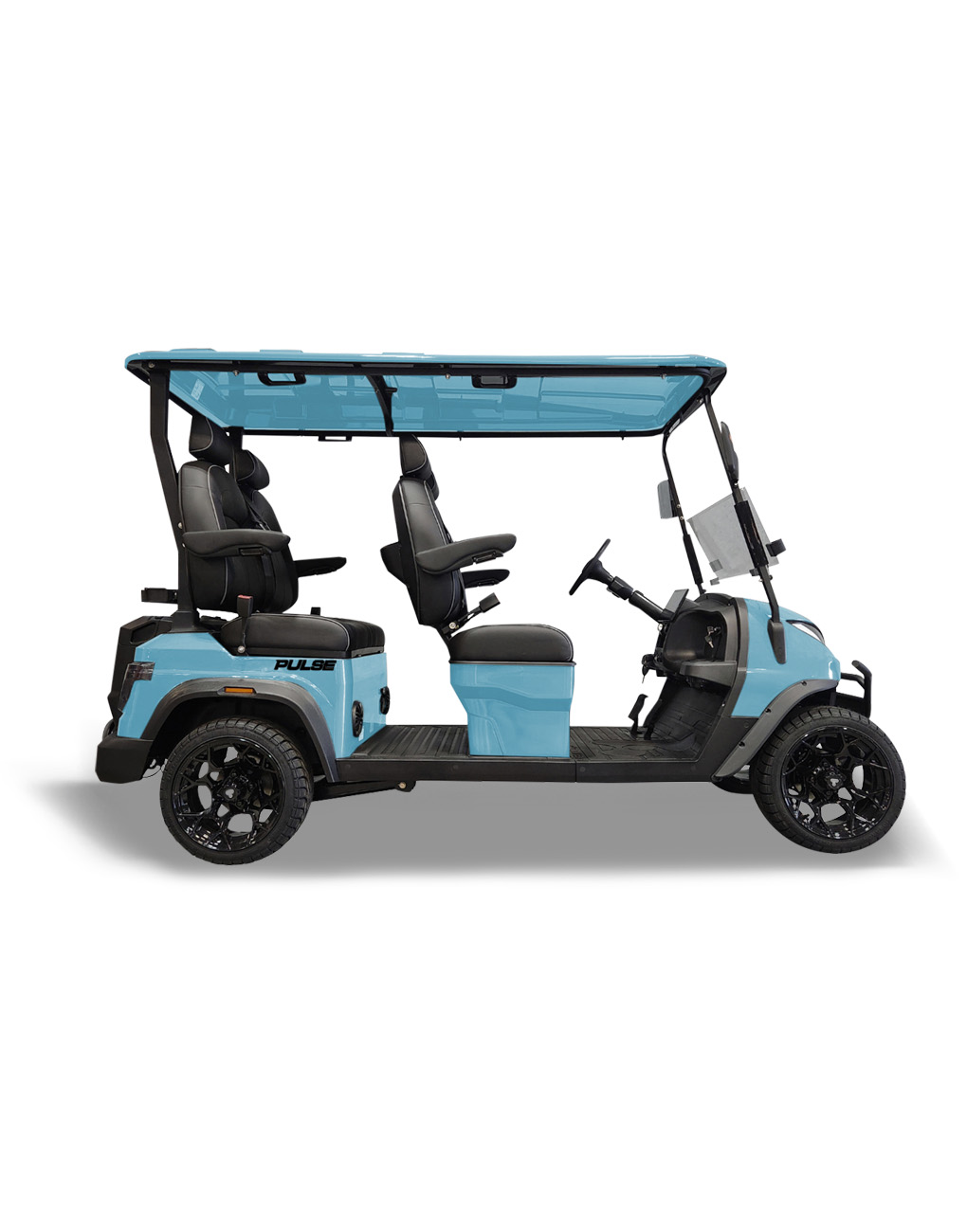
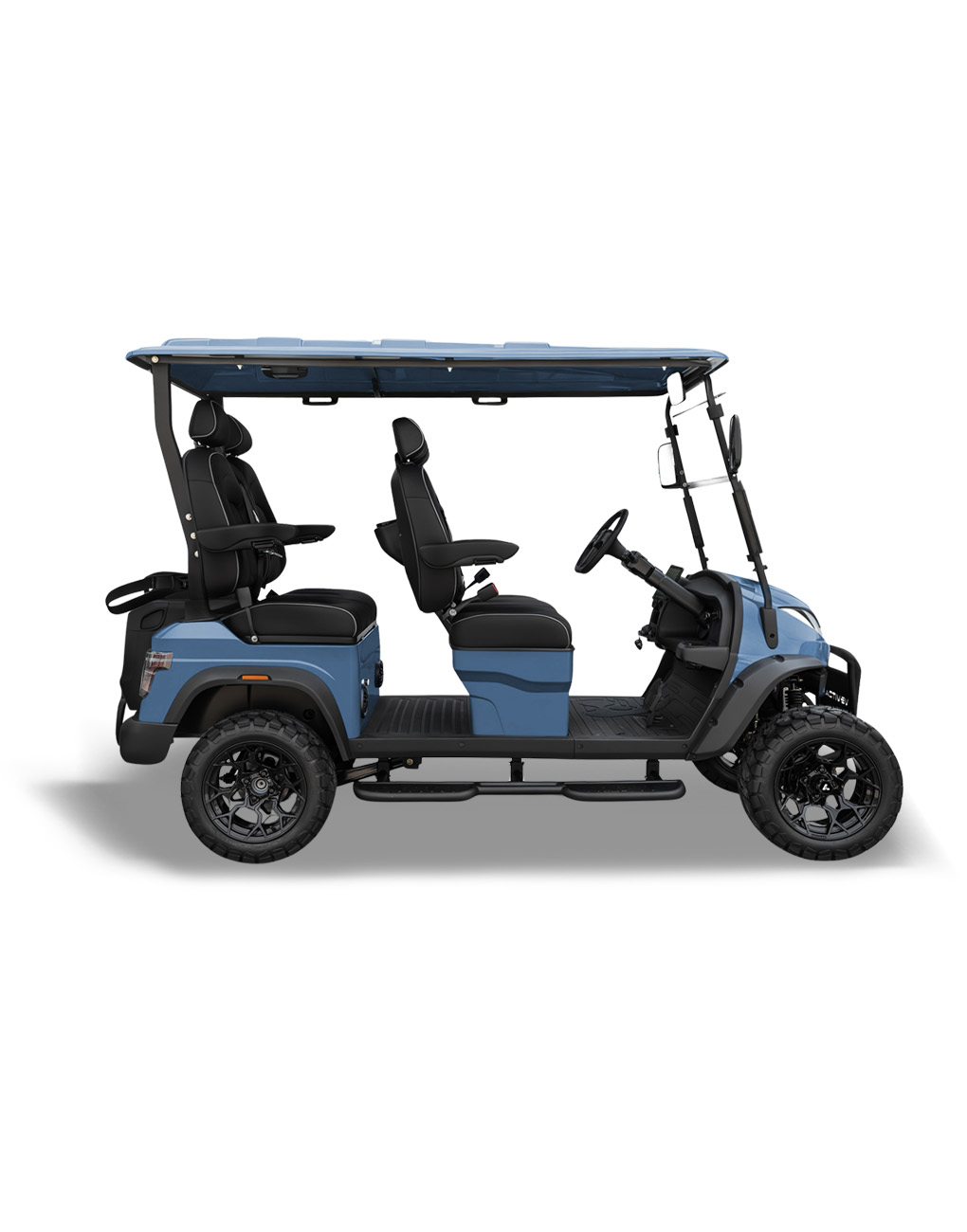
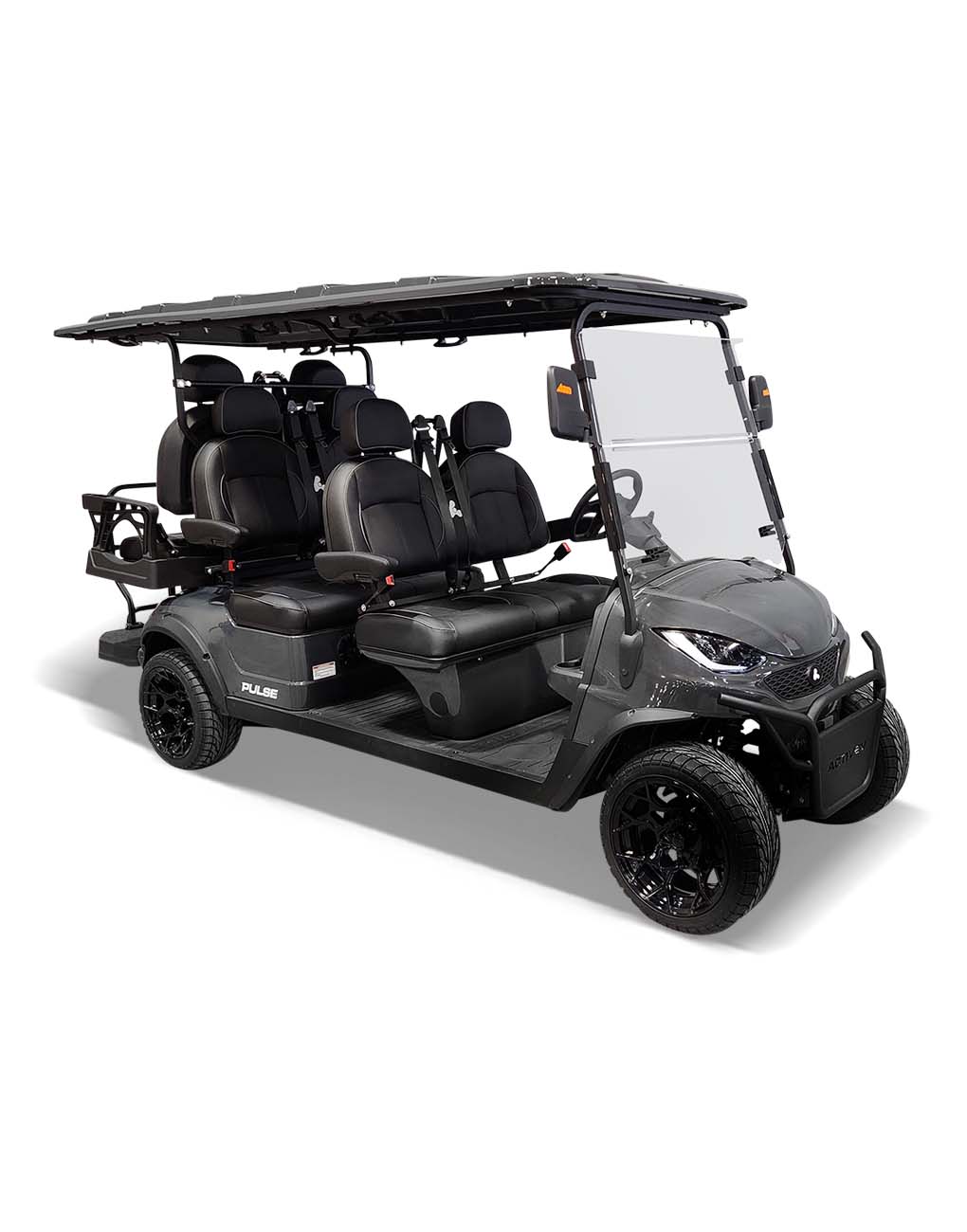
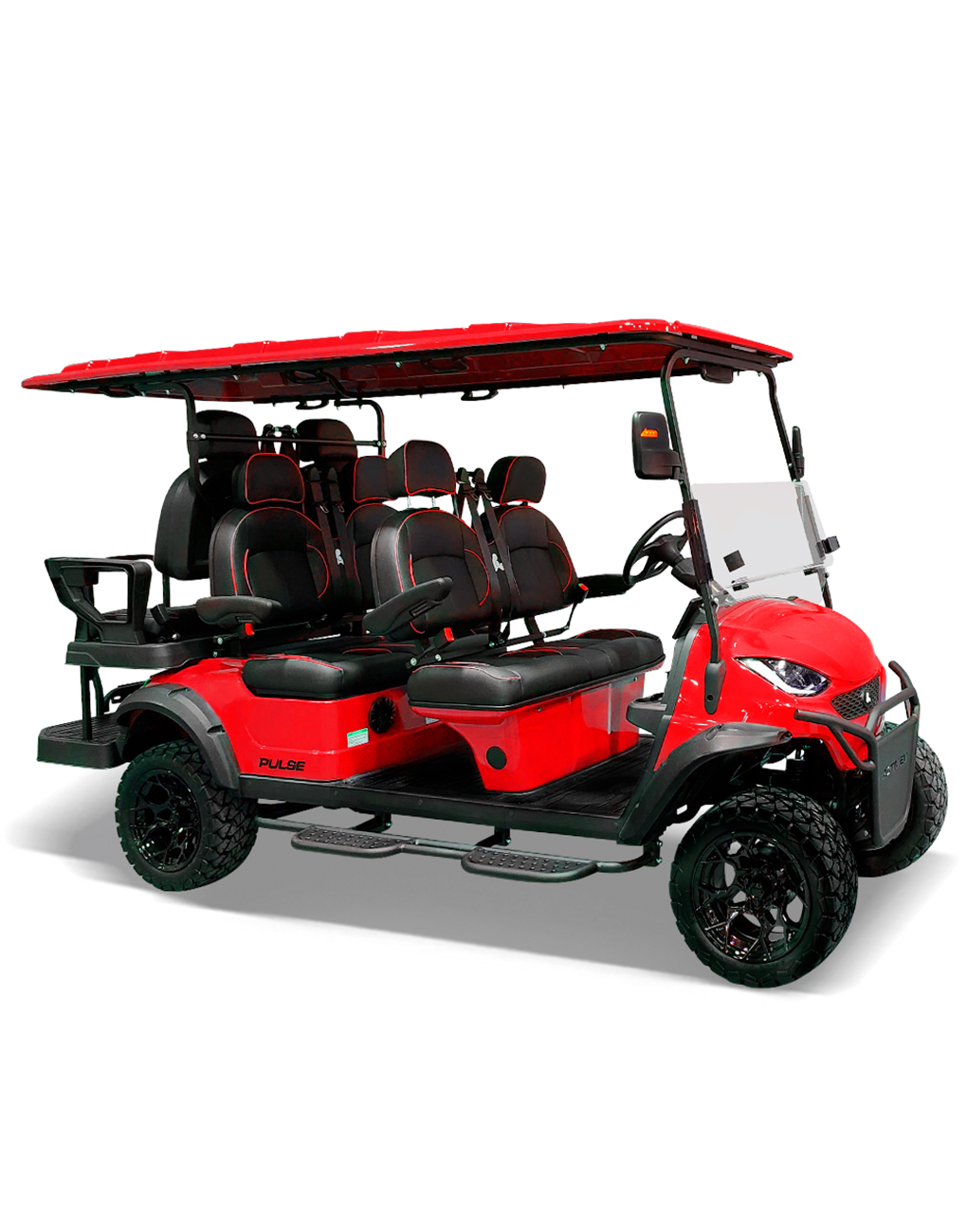
Modern commercial enterprises rarely use golf carts solely for golf. Resorts, universities, and industrial parks demand convertible chassis versatility. Procurement trends emphasize dual-purpose seating systems—such as rear flip seats that transform from passenger bench seating into heavy-duty utility cargo beds within seconds. ActivEV custom electric golf carts integrate marine-grade composite flip beds engineered with recessed cargo lips, tie-down anchor points, and optional drop-in insulated coolers or lockable tool enclosures.