Featured Commercial & Sightseeing Vehicles
Explore our factory-direct selection of DOT and CE-certified electric sightseeing trailers, mobile restaurant carts, and heavy-duty hotel utility trolleys designed for rigorous operational longevity.

HONLU New Design Trailer Coffee Shop Cart Commercial Mobile Bar Food Truck
- Full Stainless Kitchen Outfitting
- DOT & CE International Compliance
- Heavy-Duty Towable Sightseeing Chassis

Commercial Hotel Room Service Janitorial Housekeeping Cleaning Cart
- Heavy-Duty Refuse Bag Bagging System
- Multi-Tiered Linen & Supply Bins
- Non-Marking Silent Caster Wheels

Commercial Housekeeping Cart 33L Capacity 4-Wheel Adjustable Handle
- High-Density Eco Polypropylene Body
- Ergonomic Height Adjustable Handle
- Resort & Restaurant All-Weather Build

Moto Piaggio Ape Commercial Food Truck & Mobile Ice Cream Coffee Cart
- Classic Italian Aesthetic Design
- Integrated Electric Powertrain System
- Customized Commercial Beverage Bar

2-Tier Commercial Kitchen Dining Cart Stainless Steel Service Trolley
- 9L Capacity High-Load Platform
- Anti-Corrosive Hygienic Polishing
- Precision Braking Wheel Assembly

3-Layer Socket Beauty & Medical Salon Metal Storage Trolley Stand
- Integrated Power Socket Module
- Reinforced Metal Frame Construction
- Smooth-Gliding Medical Grade Casters

Wholesale Commercial Catering 201/304 Stainless Steel Round Tube Cart
- Heavy-Duty Round Tube Structural Frame
- High Load-Bearing Capacity Trays
- Impact-Resistant Edge Guarding
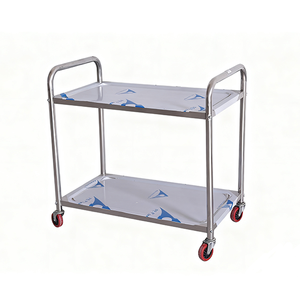
Two-Layer Eco-Friendly Stainless Steel Kitchen Serving Hand Trolley
- Customized Sizing & Tray Configurations
- Noise-Dampening Under-Tray Coating
- Export-Ready Flat-Pack Delivery
Global Technical Procurement Guide for Sightseeing & Commercial Utility Carts
The global market for electric sightseeing vehicles, low-speed transport vehicles (LSVs), and commercial utility trolleys is undergoing a structural technological revolution. Driven by municipal carbon-neutrality mandates, urban pedestrianization initiatives, and elevated hospitality expectations, modern commercial buyers are moving beyond initial acquisition costs to focus on lifetime operational efficiency, thermal battery security, modular chassis adaptability, and regulatory compliance frameworks.
As a leading premier manufacturer and global exporter of specialized utility and passenger mobility platforms, our engineering philosophy unites automotive-grade manufacturing standards with bespoke commercial customization. Whether managing large-scale resort transport, municipal tourism transit, mobile retail operations, or hospital housekeeping logistics, choosing the appropriate fleet hardware demands an analytical understanding of structural metallurgy, power dynamics, total cost of ownership (TCO), and international safety standards.
Core Information Gain: The Paradigm Shift in Fleet Procurement
Strategic buyers no longer evaluate utility and sightseeing carts solely on passenger seating or payload weight. Modern evaluation matrices incorporate Lithium Iron Phosphate (LiFePO4) Battery Management System (BMS) telemetry, cathodic electrocoating frame durability, CAN-bus micro-controller responsiveness, and multi-jurisdictional road-legal homologation (DOT, LSV, FMVSS 500, and CE directives).
Lithium-Ion BMS Architecture
Integrated Smart BMS delivers active cell balancing, thermal runaway defense, zero maintenance, and 3,500+ deep discharge cycles at 80% DOD.
DOT & CE Safety Compliance
Full road-legal equipment including automotive shatterproof windshields, LED lighting arrays, 3-point seatbelts, hydraulic disc braking, and valid VIN assignment.
Modular Chassis Engineering
High-tensile aluminum alloy and hot-dip galvanized steel chassis provide maximum torsional strength and resistance against coastal salt spray corrosion.
1. Evolution of Modern Sightseeing & Commercial Utility Vehicles
Over the past decade, commercial mobility has evolved from repurposed golf carts into purpose-built, high-capacity light electric vehicles (LEVs) and heavy-duty utility trolleys. Conventional flooded lead-acid systems required constant electrolyte topping, suffered severe voltage drop under gradient loads, and degraded within 500 charging cycles. Modern commercial sightseeing carts leverage high-density LiFePO4 battery chemistry connected to AC induction or Permanent Magnet Synchronous Motors (PMSM).
Simultaneously, the commercial catering and hospitality sector has demanded integrated mobilities. Vehicles such as the HONLU Mobile Kitchen Trailer and Piaggio Ape Commercial Food Carts showcase how compact vehicular platforms can integrate full culinary capability—featuring NSF-standard stainless steel work surfaces, grease extraction hoods, dual-circuit freshwater/wastewater systems, and high-amp shore-power interconnects while retaining mobile maneuverability.
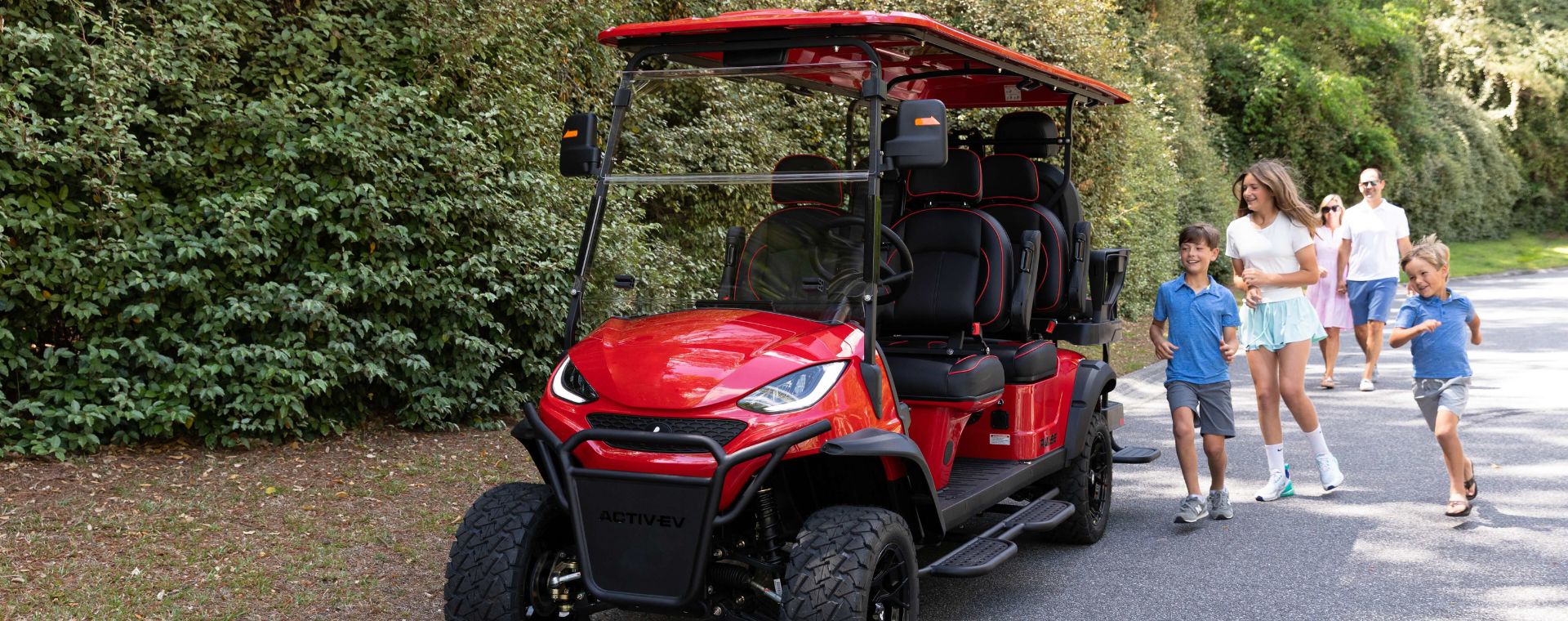
Automotive-Grade Assembly Lines
Our global production infrastructure integrates robotic welding, automated electro-deposition coating dip tanks, and individual vehicle dynamic testing. Every sightseeing chassis undergoes multi-axis vibration testing, water ingress seal evaluation (IP67 standard), and full-load incline braking certification prior to container loading.
- High-strength robotic chassis welds eliminating structural fatigue points
- Automotive PPG UV-resistant polyurethane body finishes
- Customized operational configurations for 2 to 23 passenger capacities
2. Global Procurement Trends: Future Outlook (2025–2030)
Enterprise procurement managers evaluating capital equipment investments must align fleet acquisition with emerging technological and regulatory trajectories. Based on market intelligence gathered across North American, European, Middle Eastern, and Asia-Pacific delivery networks, five key macro trends govern the global procurement landscape:
- Accelerated Lead-Acid to Lithium Phase-Out: Fleet operators are enforcing complete phase-outs of lead-acid power plants. The reduced gross vehicle weight (GVW) of lithium systems yields up to 28% greater range per kilowatt-hour, reduced tire wear, and zero off-gassing during indoor charging.
- Telematics & Fleet IoT Integration: Modern sightseeing and resort fleets utilize integrated GPS tracking, remote battery health diagnostic software, geofencing speed limit controls, and automated maintenance warning triggers connected to centralized operator dashboards.
- Modular Surface Adaptability: Procurement specifications increasingly favor dual-purpose utility chassis. Operators convert 4-passenger or 6-passenger resort shuttles into rear flatbed cargo haulers within minutes via quick-release modular seating hardware.
- Strict Ergonomic & Noise Abatement Compliance: Indoor commercial service carts—such as hotel housekeeping trolleys and medical storage units—must adhere to strict decibel limits (<45 dB silent rolling casters) and low push-pull force vectors (<15 kgf initial inertia) to safeguard staff wellness and guest tranquility.
- Bespoke Branding & Culinary Conversions: Commercial mobile vending carts (coffee bars, gelato trucks, mobile cocktail bars) represent the fastest-growing segment in commercial street retail, requiring turnkey electrical certification for instantaneous health-department licensing.
3. Technical Decision Matrix: Lead-Acid vs. Advanced Lithium Platforms
To assist procurement teams in developing data-driven capital expenditure (CapEx) proposals, the following technical matrix contrasts traditional legacy utility systems with our next-generation electric sightseeing platforms:
| Performance Specification | Legacy Lead-Acid Utility Carts | Next-Gen Lithium Sightseeing Platform | Operational Fleet Impact |
|---|---|---|---|
| Usable Battery Cycle Life | 400 – 600 Cycles (50% DOD) | 3,500 – 5,000 Cycles (80% DOD) | 7x longer operational lifecycle before pack replacement. |
| Routine Maintenance | Weekly water topping, terminal cleaning | 100% Maintenance-Free Sealed BMS | Eliminates manual labor costs and chemical spill hazards. |
| Recharge Duration | 8 to 12 Hours (Slow Phase) | 2 to 3.5 Hours (Fast AC/DC Charge) | Enables multi-shift operation with opportunity charging. |
| Weight Efficiency | Heavy (~320 kg battery bank) | Lightweight (~95 kg LiFePO4 bank) | Increased payload capacity, reduced hill strain, less turf damage. |
| Voltage Stability | Voltage drops steadily during discharge | Constant flat voltage curve | Sustained maximum speed and torque on 20%+ gradients. |
| Total Cost of Ownership (5-Yr) | High (Frequent replacement & labor) | Up to 42% Total Cost Reduction | Lower TCO maximizes long-term enterprise ROI. |
Tailored Manufacturing Solutions
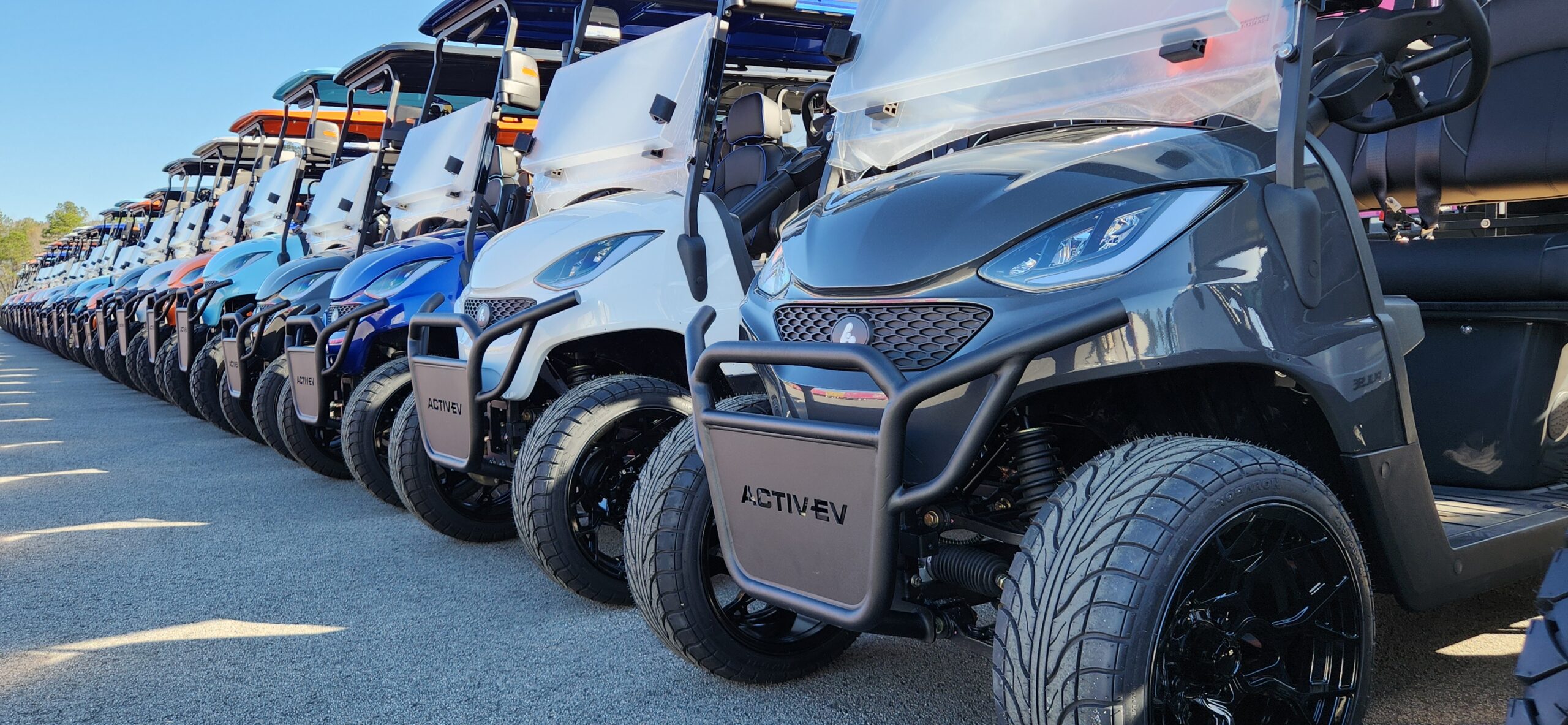
We provide comprehensive OEM and ODM support for global distributors, luxury resort developers, and corporate fleet operators. From customized chassis extension lengths to specialized commercial outfitting (such as medical tool sockets, hot-food holding wells, or lifted all-terrain suspension packages), our engineering team transforms client specifications into certified production realities.
4. Corporate Manufacturing & Global Export Strengths
Partnering with an established, audited manufacturer is essential for maintaining consistent fleet operations across international borders. Our export manufacturing enterprise operates under strict ISO 9001, ISO 14001, and OHSAS 18001 quality and environmental management protocols. Here is how our structural advantages serve global buyers:
Streamlined Global Logistics
Dedicated international shipping department supporting CKD (Completely Knocked Down) and SKD (Semi Knocked Down) container optimization to minimize customs duties and freight expenditures.
Direct Factory Spare Parts Pipeline
Guaranteed 10-year factory supply availability for all critical wear-and-tear components, controller boards, suspension arms, and custom body molds.
Comprehensive Warranty Coverage
Backing every export unit with robust factory warranties: 5-year coverage on lithium battery modules, 3-year frame protection, and 2-year electrical component guarantees.
Frequently Asked Procurement & Technical Questions
Detailed answers to common questions regarding regulatory compliance, manufacturing timelines, customization options, and global shipping logistics.