Featured Structural Cart Frames & Vehicle Chassis
Custom OEM/ODM structural solutions engineered for high load-bearing capacity, off-road durability, and automated fleet applications.
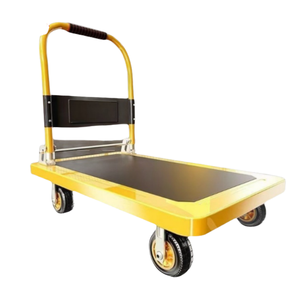
Four-Wheel Aluminum Alloy Plate Cart Platform Folding Cart (90x60 Model)
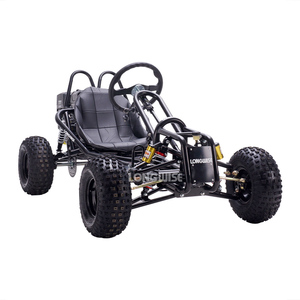
Roll Cage Version DIY Steel Tube Frame All-Terrain Off-Road Go-Kart Chassis
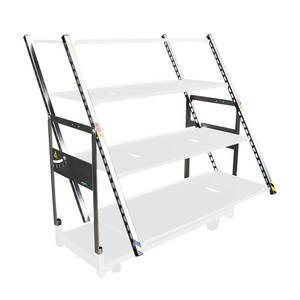
Cabriolet Cart Frame Kit - Commercial Shopping Trolley & Transport Chassis
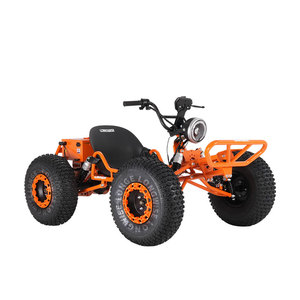
Off-Road Kart Chassis Universal OEM Frame (No Electrical Components Bulk Unit)
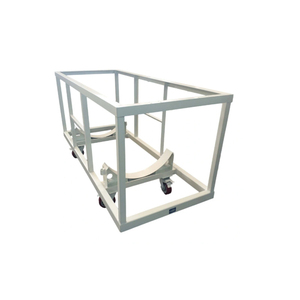
High-Precision Polishing Stainless Steel Investment Cast Cart Frame (ISO9001)
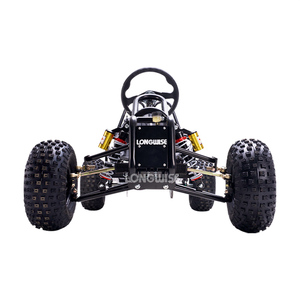
LONGWISE 420CC Heavy Steel Frame Off-Road Suspension Drifting Kart Chassis
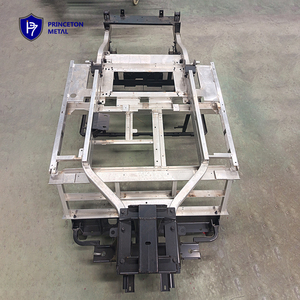
Custom Aluminum Golf Cart & Electric LSV Body Frame Chassis Assembly
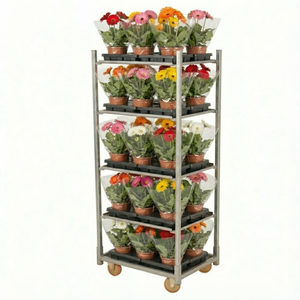
Half DC 500kg Heavy Payload Capacity Enclosed Steel Frame Industrial Cart
1. Technical Whitepaper: Industrial Engineering Standards for Commercial & Specialty Cart Frames
In modern industrial logistics, low-speed electric vehicle (LSV) production, and specialized terrain mobility, the structural chassis serves as the core foundation for mechanical stability, safety compliance, and operational longevity. Selecting a top China cart frame supplier requires evaluating technical metallurgical specifications, manufacturing engineering practices, and automated quality control protocols rather than base unit cost alone.
Structural integrity depends on multi-axis stress distribution, material yield strength (measured in MPa), and surface passivation treatments designed to mitigate environmental degradation. OEM cart frame suppliers in China have advanced from traditional manual arc-welded tubing to automated robotic TIG/MIG laser-welded cells, 5-axis CNC tube bending, and finite element analysis (FEA) computer simulations.
Key Engineering Parameters for Cart Frame Procurement:
- Structural Yield Strength & Tensile Limits: Utilizing structural carbon steel tubing (Q235B to Q345B) or high-strength 6061-T6 aluminum extrusion profiles ensures optimum strength-to-weight ratios for urban delivery, golf course fleets, and high-vibration off-road buggies.
- Automated Robotic Welding Tolerances: Precision robotic weld joints minimize heat-affected zones (HAZ), reducing structural distortion and preventing micro-fractures under dynamic cyclic fatigue loading.
- Advanced Anti-Corrosion Surface Finishing: Multi-stage electrophoretic deposition (E-coating) coupled with automotive-grade thermosetting powder coatings yields superior resistance against salt spray, atmospheric moisture, and chemical exposure in marine and industrial environments.
Custom OEM/ODM Frame Manufacturing Infrastructure
Leveraging advanced engineering capabilities, our ISO 9001:2015 certified production lines provide turnkey chassis solutions—from prototype CAD design and FEA stress testing to volume manufacturing and automated quality assurance.
Get a QuotePrecision CNC Bending
Mandrel tube bending achieving exact radius control (+/- 0.2mm tolerance).
Laser Cutting Cells
High-speed fiber laser cutting for precise wall profiling and notch fitting.
2. Metallurgical & Structural Material Selection Guide
Choosing the correct raw material substrate directly impacts payload limits, battery energy consumption (in electric conversion models), and environmental durability. Below is an engineering matrix detailing primary metal alloys utilized by premier China chassis manufacturers:
| Material Substrate | Yield Strength (MPa) | Corrosion Resistance | Weight Impact | Primary Industrial Applications |
|---|---|---|---|---|
| 6061-T6 Aircraft Aluminum | 276 MPa | High (Self-Passivating) | Ultralight (30% vs Steel) | Electric Golf Carts, Coastal Resort Vehicles, Lightweight Utility Trolleys |
| Q345B High-Strength Carbon Steel | 345 MPa | Moderate (Requires E-Coat) | Standard High Load | Off-Road Go-Karts, Heavy Duty 500kg Industrial Hand Carts, Roll Cages |
| 316 Marine Stainless Steel | 290 MPa | Exceptional (Chemical/Salt) | Heavy / Rigid | Cleanroom Carts, Food Processing Machinery, Medical Platform Frame Assemblies |
| Q235 Structural Steel Tubing | 235 MPa | Standard (Powder Coated) | Standard Industrial | Commercial Shopping Trolleys, DIY Off-Road Kits, Warehouse Transport Frames |
Enterprise Manufacturing & Engineering Strengths
Why leading global distributors, fleet operators, and OEM manufacturers contract China’s top structural frame facilities.
ISO 9001 Certified QA Protocols
Every frame assembly undergoes rigorous coordinate measuring machine (CMM) dimensional validation, ultrasonic weld inspection, and structural load deflection testing.
Turnkey OEM & ODM Customization
From CAD/STEP file imports to custom jig fabrication, our engineering division turns specialized client concepts into mass-producible, structural chassis solutions.
EV & AGV Chassis Integration
Pre-engineered chassis layouts featuring standardized battery tray cutouts, motor mounts, steering knuckle linkages, and harness channels for rapid electric conversion.
Automated E-Coating & Powder Lines
Dual-layer electrophoretic dipping combined with automatic electrostatic powder coating delivers superior finish thickness and long-term rust prevention.
High-Yield Modular Production
Scalable manufacturing plant architecture ensures reliable supply chain output, supporting both small-batch custom builds and thousands of monthly unit runs.
Global Logistics & DDP Packaging
Nested frame stack designs and specialized steel pallet shipping maximize container cubic utilization, significantly reducing international ocean freight costs per unit.
3. Strategic Procurement Trends in Cart Frame Manufacturing (2025–2030)
The global market for industrial carts, personal transportation vehicles (PTVs), and low-speed electric vehicles is undergoing rapid technological transformation. Procurement managers and OEM vehicle brands must align with emerging manufacturing trends to maintain operational competitiveness:
A. Lightweight Metallurgical Hybridization
Driven by the electrification of commercial utility carts and neighborhood vehicles, reducing curb weight is vital for extending battery range per charge. Leading China suppliers are combining extruded 6061-T6 aluminum main-rail frames with high-tensile steel cross-members. This hybrid strategy maintains structural rigidity at high stress points (such as suspension mounts and steering columns) while cutting overall chassis mass by up to 25% compared to all-steel designs.
B. Modular Chassis Systems for Automated Guided Vehicles (AGV/AMR)
Smart warehousing and Industry 4.0 automated operations require cart frames capable of accepting LiDAR sensors, drive wheel modules, and automated lifting actuators. Modern cart chassis suppliers are manufacturing pre-drilled, sensor-ready modular frames with standardized mounting patterns to allow rapid integration of autonomous mobile robot kits.
C. Sustainable Closed-Loop Manufacturing & Green Coatings
International environmental regulations (such as REACH and RoHS standards) demand cleaner industrial finishing. Top Chinese frame manufacturers have eliminated heavy-metal hexavalent chromium pretreatments in favor of zirconium conversion coatings and zero-VOC powder formulations, ensuring compliance for export to North American and European markets.
4. Frequently Asked Questions (FAQ) for Industrial Cart Frame Sourcing
Ready to Scale Your Cart Frame Production?
Contact our engineering sales team today to request structural CAD evaluations, material sample coupons, or factory-direct volume price quotes.
Get a Quote