






White Paper: Engineering Standards in China's 6-Seater & Commercial Mobility Sector
The global demand for high-capacity multi-passenger vehicles and specialized commercial mobile equipment has undergone a major paradigm shift. As enterprises, luxury resorts, gated residential enclaves, and municipal fleets seek sustainable, low-speed transport solutions, China has emerged as the premier global hub for 6-seater electric vehicles, personal transportation vehicles (PTVs), and modular commercial utility carts.
Establishing an authoritative position in this sector requires moving beyond superficial assembly. As a leading manufacturer and direct factory supplier in China, our manufacturing methodology integrates automotive-grade chassis geometry, advanced electrocoating rust protection, intelligent lithium-ion battery management systems (BMS), and rigorous international certification compliance (DOT, VIN, CE, and EEC). This white paper breaks down the core technological criteria, procurement dynamics, and future trends shaping B2B sourcing for multi-passenger and commercial equipment.
1. Chassis Structural Integrity & Weight Distribution Dynamics
A primary failure mode in standard six-seater conversions is structural sagging or frame twist under full load. A true enterprise-grade 6-seater vehicle must feature a stretched, reinforced aluminum alloy or high-tensile carbon steel ladder frame. By distributing axle weight across optimized center-of-mass coordinates, our chassis configurations guarantee operational stability even when carrying 6 full-sized adults with luggage.
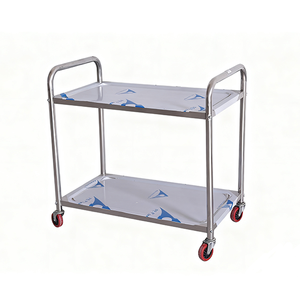
For commercial hospitality and catering utility carts (such as stainless steel room service trolleys and mobile kitchen trailers), structural engineering relies on robotic TIG welding and heavy-gauge tubing. This eliminates flex during high-load transport across textured indoor surfaces or outdoor paved networks.
2. Lithium LiFePO4 Energy Architecture & Smart BMS Technology
Legacy lead-acid battery banks are rapidly becoming obsolete in modern fleet operations due to heavy maintenance costs, long recharge cycles, and terminal sulfation. Our next-generation 6-seater platforms utilize Lithium Iron Phosphate (LiFePO4) chemistry connected to integrated digital Battery Management Systems (BMS).
Key advantages of our LiFePO4 drivetrain include:
- Extended Life Cycle: Over 3,500 to 5,000 charge cycles while maintaining >80% nominal capacity.
- Zero Battery Maintenance: Eliminates water refilling, acid neutralization, and corrosion cleaning.
- Constant Voltage Discharge: Maintains full torque and hill-climbing acceleration regardless of battery charge state.
- Rapid Opportunity Charging: Full recharge achieved in under 3 to 4 hours via standard 110V/220V automotive-grade onboard chargers.
3. Automotive-Grade Safety Hardware & DOT/VIN Street Legal Compliance
Navigating international regulatory frameworks requires strict adherence to Low-Speed Vehicle (LSV) and Neighborhood Electric Vehicle (NEV) safety standards. Our 6-seater street-legal models come standard with DOT-stamped shatterproof tempered glass windshields, 3-point retractable seatbelts for all six seating positions, automotive LED lighting harnesses (headlamps, high-beams, turn signals, brake lights), dual side mirrors, and assigned 17-digit VIN numbers required for registration.