Choosing among the Top 10 High-End Family Golf Carts for Sale requires more than admiring polished finishes. A premium cart should carry people comfortably, handle uneven paths, and support dependable daily use. This guide examines seating layouts, driving range, braking systems, suspension quality, weather protection, storage, charging time, and warranty coverage. It also considers practical details, such as whether a child’s feet reach the floorboard and whether groceries fit beneath the rear seat.
The featured High-End Family Golf Carts combine refined design with useful family features. Expect quiet electric power, cushioned seats, LED lighting, USB charging ports, and stronger frames. Some models offer enclosed cabins, upgraded windshields, or all-terrain tires for larger properties. However, luxury does not automatically mean suitability. A heavier cart may feel stable but consume more energy. A longer range may also require a larger battery and more charging space.
No cart is perfect.
Our comparisons rely on manufacturer specifications, ownership considerations, and realistic family scenarios. We look closely at build quality, service support, replacement parts, and transparent pricing. These factors often matter more than bright trim or oversized screens. Readers should still confirm local operating requirements and inspect dealer policies before purchasing. A promising model can disappoint when maintenance access is limited. That weakness deserves attention. This introduction sets the direction for a careful, evidence-based review of premium family carts, with comfort, safety, reliability, and long-term value placed ahead of showroom appeal.
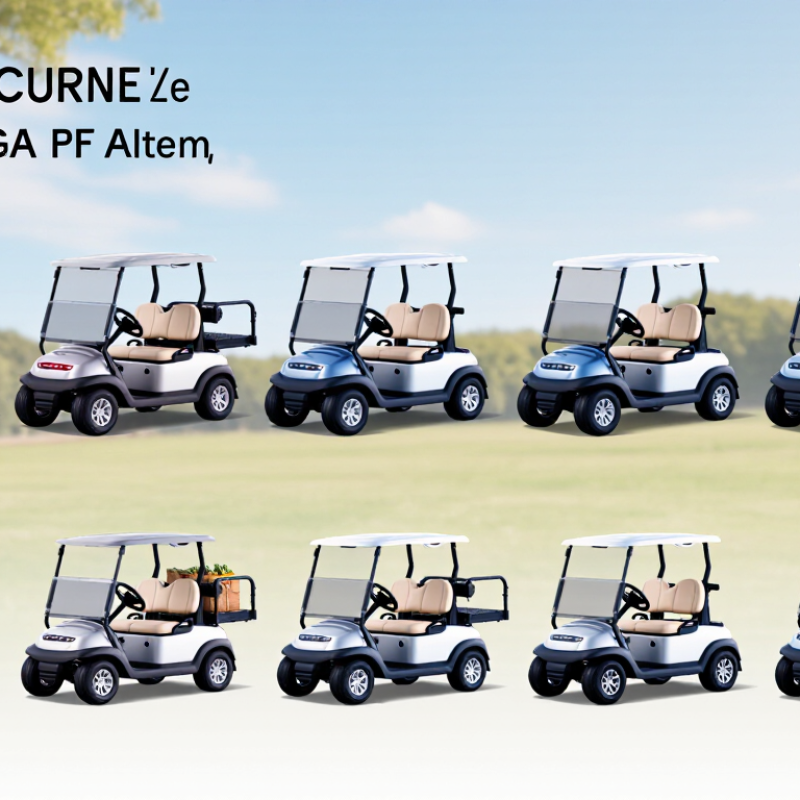
Top 10 High End Family Golf Carts for Sale
A high-end family golf cart is more than a polished finish or a quiet motor. It should carry passengers comfortably, handle familiar routes predictably, and offer practical storage for bags, snacks, or a folded jacket. Look closely at seat support, step-in height, weather protection, and how easily children can reach handholds. Small details matter. So does braking feel on a slope. A premium label alone proves little; compare the cart’s stated passenger capacity, load limit, and performance details with your family’s actual needs.
Comfort is personal. A wide bench may suit one family but feel awkward for another, and extra features can add weight or complexity. Inspect hinges, seat stitching, grab rails, and storage latches in person. I would also leave room for doubt: a smooth ride on a showroom path may not reflect your everyday terrain.
Essential Seating, Comfort, and Safety Features
For family use, comfort begins with seating that fits every passenger. Look for supportive cushions, clear foot space, sturdy grab handles, and a stable step-in height. A 2023-person capacity label is not enough; check that each passenger has a designated seat and footrest. Shade, a windshield, and easy-to-reach controls also matter on sunny afternoons or bumpy paths. Small details count.
Safety deserves equal attention. A peer-reviewed 2008 analysis of U.S. CPSC NEISS data estimated 147,696 golf-cart injuries received emergency-department treatment from 1990 to 2006. The estimate is historical, but it underlines the value of careful design and use. Inspect seat belts where provided, side barriers, mirrors, lighting, and brakes. Make sure the cart’s stated passenger capacity matches its actual seats. A plush seat cannot fix poor stability or awkward entry.
Tips: Bring the family for a test sit. Check that children can place their feet securely and that adults can enter without twisting. Ask how the cart handles on your usual route, especially slopes and uneven pavement. One detail is easy to overlook: extra seats can reduce legroom. Decide what matters most before buying.
Family golf carts are designed around people, not just clubs. A rear-facing bench can carry extra passengers, but it may leave less room for bags or groceries. Four forward-facing seats feel more natural on family outings. Look closely at seat belts, handholds, step-in height, and whether children can reach the floor comfortably. Small details matter.
A tall windshield helps on breezy paths, while a canopy offers shade but can make a cart feel bulky in tight spaces. There is a trade-off.
Powertrain choice changes the daily experience. Electric carts are quieter and produce no tailpipe emissions; gasoline models offer quick refueling and may suit longer routes with limited charging access.
The U.S. Department of Energy’s Alternative Fuels Data Center reports that conventional EVs convert about 77% of electrical energy from the grid to power at the wheels, compared with roughly 12–30% for gasoline vehicles.
These figures describe road vehicles, not golf carts, so they should not be treated as direct cart efficiency ratings. Still, they illustrate why electric drivetrains can use energy differently.
For a family cart, ask about battery capacity, charging time, passenger load, and hills on your usual route. Published range can be optimistic. Real use is messier.
Top 10 High-End Family Golf Carts Available for Sale
High-end family golf carts now offer more than quiet neighborhood transportation. They combine comfort, safety, useful range, and refined design. The strongest options include four-seat cruisers, six-seat rear-facing models, and extended carts with generous legroom. Some feature weatherproof cabins, heated seats, LED lighting, and lockable storage. Others focus on smooth suspension for uneven lanes and private roads.
Look for ten practical configurations: luxury four-seaters, six-seaters, lifted carts, street-ready models, enclosed carts, utility carts, long-range electric carts, convertible designs, child-friendly models, and premium cargo versions. An experienced buyer should inspect the battery age, charging system, brake response, tire wear, and frame condition. Ask for service records. A polished dashboard can hide expensive mechanical problems. Range claims also deserve caution, because hills, passengers, temperature, and driving speed affect performance.
For family use, seat belts, stable steps, handrails, and strong headlights matter more than decorative trim. Test the cart with a full passenger load. Listen for suspension noise over a rough surface. Check whether the rear seat folds easily and whether groceries stay secure during turns. Some high-end carts feel impressive during a short showroom drive, yet their seating becomes uncomfortable after thirty minutes. That detail is easy to miss. Choose a model that matches your terrain, storage space, charging access, and daily passenger needs. Fancy is not always practical.
Comparison of representative premium family golf cart configurations by estimated retail price in the U.S. market.
Prices vary according to seating capacity, battery system, suspension, weather equipment, and street-legal accessories. The comparison reflects commonly advertised premium configuration ranges rather than a specific manufacturer or brand.
Choosing a high-end family golf cart means comparing more than seat count and finish. Start with how your family will use it: neighborhood trips, short commutes, or hauling beach gear. A six-seat model may look ideal, but check whether the rear seats leave room for bags. Measure your garage opening, too. Small details matter.
Take a test drive with passengers if possible. Notice how the cart handles turns, hills, and uneven pavement. Check the posted payload limit against your passengers and cargo. Compare braking feel, weather protection, storage, and safety features across models. A smooth ride on flat ground may not tell you much about your usual route. It is easy to overvalue a polished dashboard; I would give more weight to comfort and practical fit.
Tips: Request an itemized quote, including delivery and setup. Compare battery replacement estimates, charging needs, tire costs, and service access. Ask what the warranty covers, and get the answer in writing. A lower purchase price can mean higher upkeep. I would also leave room in the budget for repairs; estimates are not guarantees.
It should combine comfort, predictable handling, useful storage, and dependable braking. A polished finish alone proves little.
Bring the usual passengers for a test sit. Check cushion support, foot space, grab handles, and step-in height.
Look for seat belts, side barriers, mirrors, lights, and responsive brakes. Confirm that the listed capacity matches the actual seats.
Children should reach the handholds and place their feet securely. They should not stretch awkwardly or share one narrow footrest.
Extra passengers can reduce range and make hills feel slower. Ask how weight, slopes, and cool weather change battery performance.
Try a tight turn, a gentle incline, and a level-ground stop. Notice the steering, braking feel, and body stability.
Not necessarily. Extra seats may reduce legroom and add weight. More capacity can feel less comfortable in daily use.
Only partly. A smooth showroom path may hide rough pavement, slopes, or awkward turns. I would leave room for doubt.
High-End Family Golf Carts combine spacious seating, refined comfort, dependable performance, and practical safety features for families who want more than basic transportation. When evaluating a cart, consider passenger capacity, supportive seats, weather protection, storage, lighting, seat belts, and ease of entry and exit. A well-designed model should make everyday rides comfortable while helping passengers feel secure.
Family carts vary in layout, size, and powertrain, so the right choice depends on where and how the cart will be used. Comparing the top ten options can help shoppers assess seating arrangements, driving range, charging needs, handling, and available amenities. Look beyond the purchase price to estimate ownership costs, including maintenance, energy, accessories, and storage. By weighing these factors together, families can choose a cart that fits their budget, lifestyle, and long-term needs.