Personal Transportation Vehicles (PTVs) are changing how people handle short daily trips. They appear on campuses, gated communities, resorts, farms, and quiet neighborhood streets. Some look like compact golf carts. Others resemble enclosed electric quadricycles or practical utility vehicles. Their appeal is clear: less space, lower operating costs, and simpler parking.
Industry data supports this growing interest. Grand View Research’s Golf Cart Market Size, Share & Trends Analysis Report describes steady global market expansion, supported by tourism, residential development, and commercial use. The U.S. Department of Energy’s Alternative Fuels Data Center also highlights electric vehicles as a way to reduce fuel consumption and local emissions. Yet these benefits depend on battery size, charging habits, terrain, and vehicle maintenance. Marketing language can hide those differences.
Safety and classification matter. The National Highway Traffic Safety Administration identifies low-speed vehicles as four-wheeled vehicles designed for speeds above 20 mph but not exceeding 25 mph, with specific federal equipment requirements. A PTV may not fit that category. Check the label carefully.
This guide examines ten strong PTV choices for different buyers, including families, property managers, commuters, and outdoor users. It compares range, charging time, seating, storage, weather protection, service support, and total ownership value. Small details matter. A narrow turning circle helps in crowded pathways. A sealed battery compartment helps after wet grass. A weak charger becomes frustrating quickly.
No ranking is perfect. Real-world performance can differ from brochure figures. That is worth remembering. Use these selections as a practical starting point, then confirm local road rules, dealer support, and charging access before buying.
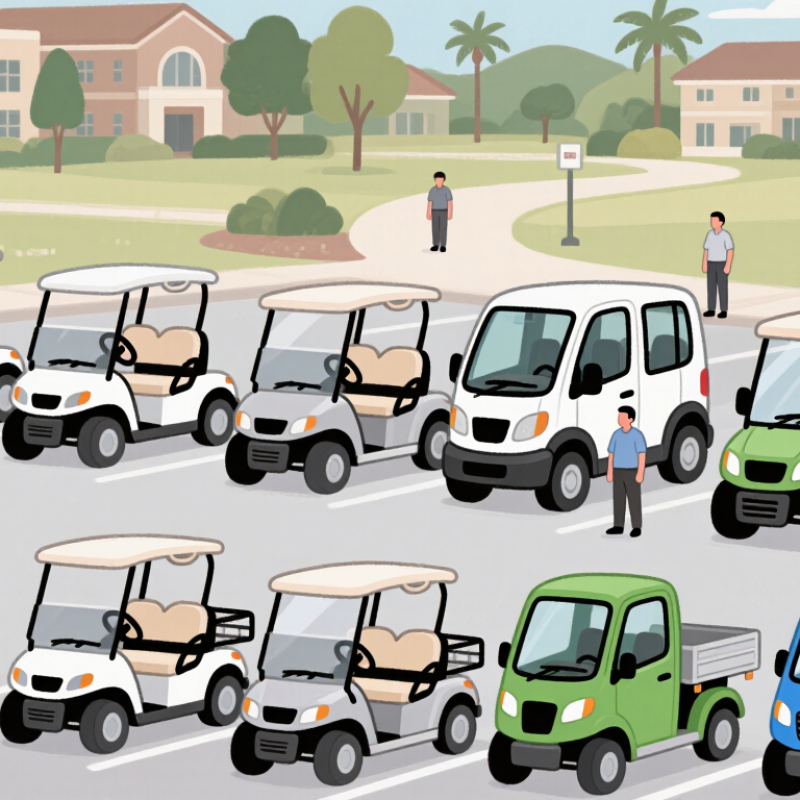
What Are PTVs? Types, Uses, and Key Features
Personal transportation vehicles, or PTVs, are compact machines designed for short-distance travel. They include electric carts, neighborhood vehicles, low-speed utility vehicles, mobility scooters, and some three-wheel models. Most serve campuses, resorts, retirement communities, warehouses, and private paths. They are not simply smaller cars. A PTV usually prioritizes low speed, easy handling, and low operating costs.
According to Grand View Research, the global golf cart market was valued at about USD 1.7 billion in 2023. Its report also expects steady growth through 2030, supported by tourism, construction, and controlled-environment transport. These figures need caution. Market definitions differ, and some reports combine golf carts with broader electric utility vehicles. Still, the direction is clear.
Key features deserve practical testing. Battery capacity affects daily range, charging time, and performance on slopes. A useful model should offer stable braking, bright lighting, durable tires, and clear controls. Seating, roof coverage, storage space, and turning radius matter in real use. A four-wheel design usually feels steadier on uneven pavement, while three wheels may turn more sharply. Check the surface first.
The National Highway Traffic Safety Administration advises buyers to confirm vehicle classification, equipment, and operating limits before use. That guidance matters because a private pathway is not the same as a public road. Buyers should compare payload, ground clearance, weather protection, service access, and battery replacement costs. Range claims can look impressive, but hills, cold weather, passengers, and heavy loads reduce them. That part is often overlooked.
| PTV Type | Typical Seating | Typical Top Speed | Typical Driving Range | Power System | Main Uses | Key Features | Important Buyer Considerations |
|---|---|---|---|---|---|---|---|
| Low-Speed Neighborhood Vehicle | 2–6 passengers | 20–25 mph (32–40 km/h) | 40–100 miles (64–161 km) | Battery-electric or gasoline | Neighborhood travel, planned communities, short urban trips | Automotive-style seating, seat belts, lighting, windshield, storage, and optional doors | Check local low-speed-vehicle regulations, registration requirements, and road-access limits. |
| Electric Golf Cart | 2–6 passengers | 12–19 mph (19–31 km/h) | 15–40 miles (24–64 km) | Lead-acid or lithium-ion battery | Golf courses, resorts, campuses, private communities | Compact footprint, quiet operation, simple controls, rear utility seat options | Lead-acid batteries generally cost less; lithium-ion batteries are lighter and typically charge faster. |
| Enclosed Mobility Scooter | 1 passenger | 8–15 mph (13–24 km/h) | 15–40 miles (24–64 km) | Rechargeable electric battery | Personal mobility, shopping areas, sheltered outdoor travel | Weather protection, adjustable seat, tiller steering, step-through access, storage compartment | Evaluate turning radius, doorway clearance, battery charging access, and accessibility requirements. |
| Three-Wheel Mobility Scooter | 1 passenger | 4–15 mph (6–24 km/h) | 8–35 miles (13–56 km) | Rechargeable electric battery | Indoor spaces, sidewalks, shopping centers, and tight turns | Small turning circle, tiller control, padded seat, removable battery on selected designs | Three-wheel layouts are maneuverable but usually provide less lateral stability than four-wheel designs. |
| Four-Wheel Mobility Scooter | 1 passenger | 4–15 mph (6–24 km/h) | 10–45 miles (16–72 km) | Rechargeable electric battery | Outdoor paths, uneven sidewalks, daily mobility, and longer local trips | Four-wheel stability, suspension options, adjustable controls, larger tires, and basket storage | A wider chassis may improve stability but can limit use in narrow hallways, lifts, and doorways. |
| Electric Kick Scooter | 1 passenger | 10–20 mph (16–32 km/h) | 10–35 miles (16–56 km) | Rechargeable lithium-ion battery | Last-mile commuting, errands, and short trips on permitted routes | Lightweight frame, folding mechanism, hand brakes, LED lighting, and digital display | Rider balance is required; always verify helmet rules, minimum-age requirements, and sidewalk restrictions. |
| Electric Bicycle | 1–2 passengers | 15–28 mph (24–45 km/h) | 20–80 miles (32–129 km) | Pedal-assist or throttle-controlled electric motor | Commuting, recreation, deliveries, and cycle-lane travel | Pedal assistance, rechargeable battery, bicycle-like handling, rack and cargo options | Motor output and speed classifications vary by jurisdiction and may affect where the vehicle can be ridden. |
| Enclosed Electric Microcar | 1–2 passengers | 25–45 mph (40–72 km/h) | 50–150 miles (80–241 km) | Battery-electric drivetrain | Urban commuting, city errands, and weather-protected short-distance travel | Enclosed cabin, windshield, heating or ventilation options, charging port, and cargo area | Confirm crash-safety classification, licensing rules, charging time, and access to public roads. |
| Electric Utility Cart | 1–4 passengers | 12–20 mph (19–32 km/h) | 20–60 miles (32–97 km) | Lead-acid or lithium-ion battery | Facilities, farms, warehouses, campuses, parks, and property maintenance | Flatbed or cargo box, towing capability, high ground clearance, work lights, and accessory mounts | Payload and towing ratings are more important than passenger capacity for work-focused applications. |
| Personal Electric Transporter | 1 passenger | 6–12 mph (10–19 km/h) | 8–25 miles (13–40 km) | Rechargeable lithium-ion battery | Large indoor facilities, warehouses, campuses, and controlled private areas | Compact design, intuitive steering, regenerative braking, battery status display, and low noise | Training, balance requirements, speed controls, and pedestrian-safety procedures should be assessed before purchase. |
FAQS
A PTV is a compact vehicle for short-distance travel. It usually emphasizes low speed, simple handling, and low operating costs.
They are used on campuses, resorts, retirement communities, warehouses, private paths, and similar controlled areas.
A compact two-seat model may work well for errands, parking areas, and quiet residential routes. Measure your usual route carefully.
Three wheels can turn more sharply. Four wheels usually feel steadier on uneven pavement. Try both before deciding.
Battery capacity influences travel range, charging time, and hill performance. Cold weather, passengers, and heavy loads reduce practical range.
Test braking, lighting, tires, steering, visibility, and controls. Check the vehicle classification and local operating limits, too.
Sit in every seat. Check legroom, step-in height, steering effort, roof coverage, and weather protection.
Measure your garage with a tape measure. Compare storage, turning radius, payload, ground clearance, service access, and charging time.
Not necessarily. A moderate range may fit local errands. A longer route needs reliable charging and extra battery capacity.
Compare purchase price, charging, maintenance, service intervals, and future battery replacement. I once ignored cargo space, and shopping bags filled every footwell.
Conclusion
Personal Transportation Vehicles (PTVs) offer a practical and flexible way to travel short distances, whether for neighborhood trips, campus transportation, recreation, or daily errands. This guide explains what PTVs are, including compact electric carts, enclosed micro-vehicles, and other lightweight mobility options, while highlighting important features such as range, speed, seating capacity, storage, charging time, and weather protection. It also outlines how to choose a suitable vehicle based on terrain, travel frequency, passenger needs, budget, and available charging facilities.
The comparison of ten leading PTV categories focuses on performance, comfort, convenience, durability, and overall value rather than brand names. Readers will also learn about braking systems, lighting, visibility, battery care, tire maintenance, insurance considerations, operating expenses, and responsible use. By weighing these factors together, buyers can identify the PTV that best matches their lifestyle, travel distance, comfort expectations, and long-term ownership priorities.